



Foods That Can Cause Miscarriage During Pregnancy
Pregnancy is considered the most precious and beautiful period in a woman’s life. During these nine months, any minute decisions, from lifestyle changes to dieting, are crucial for the health not only of the baby but also of the mother. Even if nutritious products promote optimal fetal growth, there are specific foods that may lead to various pregnancy complications and, in worst-case scenarios, a miscarriage.
A miscarriage means pregnancy loss occurring earlier than 20 weeks after the last menstrual period. Although many factors behind miscarriage cannot be prevented, dietary choices are one of those elements that influence pregnancy complications. Thus, it is important to know about foods that can cause miscarriage
Top 12 foods that can cause miscarriage and should be avoided
1. Raw or undercooked meat
Any raw or undercooked meat products may contain bacteria like Salmonella or parasites like Toxoplasma gondii, Echinococcus, and Trichinella spiralis. All these factors significantly influence pregnancy development and may lead to a miscarriage, preterm delivery, or stillbirth. It is recommended to avoid:
2. Eggs
Consuming raw or undercooked eggs increases the risk of Salmonella bacteria contamination, which causes severe cases of food poisoning. In pregnancy, your immunity lowers, thereby increasing susceptibility to infection.
Foods that contain raw eggs that should be avoided include:
3. Unpasteurized Milk and Dairy Products
Unpasteurized dairy products may harbor harmful bacteria such as Listeria monocytogenes, which poses serious health risks to you and your unborn baby when consumed.
Foods to avoid include:
- Raw milk
- Cheese that is not pasteurized
- Brie, camembert, or blue cheese that is unmarked
- Pregnant women need calcium from pasteurized dairy foods.
4. Fish that Contain High Levels of Mercury
Fish is healthy to consume during pregnancy because it contains omega-3 fatty acids. However, certain fish species have high amounts of mercury. High levels of mercury harm fetal brain development. There are some things to avoid during pregnancy that can cause miscarriage
Fish to avoid:
- Shark
- Swordfish
- King mackerel
- Tilefish
Healthy fish for consumption include salmon, sardines, and rohu.
5. Raw Sprouts
Some types of raw sprouts include alfalfa, radish, and mung bean sprouts. These sprouts may carry harmful bacteria, including E. coli and Salmonella. The growth of these bacteria is facilitated by the favorable conditions of temperature and humidity.
It is important for pregnant women to stay away from raw sprouts that are used in salads and sandwiches, unless they are well-cooked.
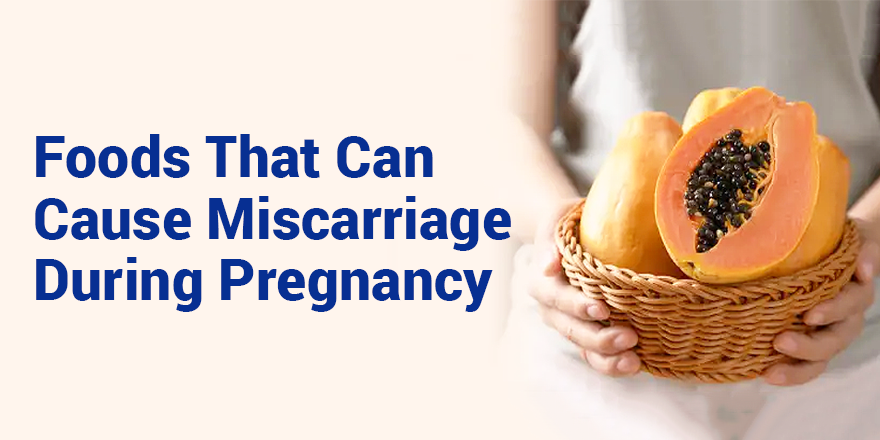
6. Papaya
Wondering about can papaya cause miscarriage in early pregnancy?
Unripe or semi-ripe papayas have been reported to pose dangers to pregnant women. They contain latex that is known to induce labor contractions and could lead to miscarriage in early pregnancy.
Ripe papayas eaten in small quantities are considered safe, but in general, many experts recommend avoiding unripe papaya during pregnancy.
7. Pineapple
Pineapples contain an enzyme referred to as bromelain that can weaken the cervix and cause contractions if eaten in large amounts. Though its excessive consumption does not automatically result in a miscarriage, doctors normally discourage pregnant women from eating too much pineapple during the first trimester.
8. Too Much Caffeine
Too much caffeine intake increases the chance of miscarriage fruits not to eat during pregnancy, and low birth weight. It passes through the placenta and affects the baby.
Foods that contain caffeine are:- Coffee
- Energy drinks
- Some kinds of tea
- Carbonated drinks
- Chocolate
It is advisable to take caffeine not more than 200 mg daily while pregnant.
9. Alcoholic Beverages
One of the most hazardous products for pregnant women is alcohol. No specific quantity of alcohol can be consumed safely by pregnant women since alcohol increases the risk of miscarriage, stillbirth, and fetal alcohol syndrome.
Do not consume:
- Wine
- Beer
- Whisky
- Cocktail
It is better to choose non-alcoholic beverages when you are pregnant.
10. Processed and Junk Foods
Processed foods cannot directly cause miscarriages; however, excessive intake of them leads to pregnancy disorders such as obesity, gestational diabetes, hypertension, and others.
Some examples of junk foods are:
- Potato chips
- Rice noodle
- Packet snacks
- Sweet deserts
- Fast food
Instead, eat balanced foods consisting of fruits, vegetables, proteins, and other products.
11. Herbal Teas and Supplements
Not all herbal products are recommended for consumption during pregnancy. Some herbs can cause stimulation in the uterus or hinder pregnancy hormones.
Commonly recommended herbs during pregnancy are not to be used by pregnant women. These include:
- Aloe vera
- Dong quai
- Licorice root
- Large quantities of ginseng
Always discuss any herbal tea or supplement with your doctor before consumption.
12. Liver and Excessive Vitamin A
Animal liver is high in vitamin A. Despite its importance to our well-being, high doses of vitamin A are unhealthy during pregnancy because they lead to congenital disorders.
Do not consume liver too often, nor take any vitamin A supplements.
Healthy Dietary Recommendations During Pregnancy
For a healthy diet during pregnancy, follow these suggestions:
- Eat home-cooked food
- Wash fruits and vegetables thoroughly
- Drink enough water
- Include iron and calcium-rich foods in your diet
- Never eat junk or street food
- Follow the nutritional recommendations given by your physician
- It is also important to practice good hygiene while cooking and storing food.
Seeking Medical Advice After Consuming Foods
When experiencing symptoms such as abdominal pain, bleeding, fever, vomiting, or dizziness due to the ingestion of any food item, visit your doctor without delay.
Final Thought
Pregnant women should be particularly careful about food selection. Although each of the mentioned foods might not cause abortion, eating such foods can pose health hazards to the expectant woman and her child.
This blog does not seek to instill fear in you; it only aims to enlighten you on ways of maintaining safe diets throughout pregnancy. A well-balanced diet can play a significant role during pregnancy. It should be borne in mind that pregnancies are different, and hence it is advisable to seek advice from your doctor or nutritionist.
A healthy mother means a healthy child. If you are looking for an IVF Centre Near Me, then Seeds of Innocens IVF is one of the best IVF centre in Ghaziabad.
Frequently Asked Questions
1. Can any foods cause a miscarriage?
Some types of food can increase the chances of contracting infections, triggering contractions, or other complications that can lead to miscarriage symptoms when ingested in excess and/or under unhygienic circumstances.
2. Is eating papaya during pregnancy unhealthy?
Eating unripe or partially ripe papaya during pregnancy may be dangerous due to the presence of latex that causes uterine contractions. Ripe papaya, on the other hand, can be considered safe if consumed in moderation.
3. Does pineapple induce miscarriage?
The ingestion of pineapples, containing an enzyme known as bromelain, increases the possibility of cervical softening if consumed excessively.
4. Why should expectant mothers avoid raw eggs?
Consuming raw eggs may lead to the contraction of the bacteria Salmonella responsible for causing food poisoning.