




Frozen Embryo Transfer (FET): Procedure, Timeline, Process

The experience for many patients that undergoes IVF procedure usually doesn't end with embryo freezing. An FET is one more crucial stage in which an already cryopreserved embryo is thawed and transferred to the uterus with the purpose of pregnancy. Unlike the embryo transfer procedure, in FET the embryo transfer process can be carried out later during the next menstrual cycle due to the ability to prepare the uterine lining for the transfer in advance. No matter whether you are going to undergo the first transfer or just want to learn more about the procedure, knowing the frozen embryo transfer timeline, preparation, and after-transfer procedures will be helpful.
What Is Frozen Embryo Transfer?
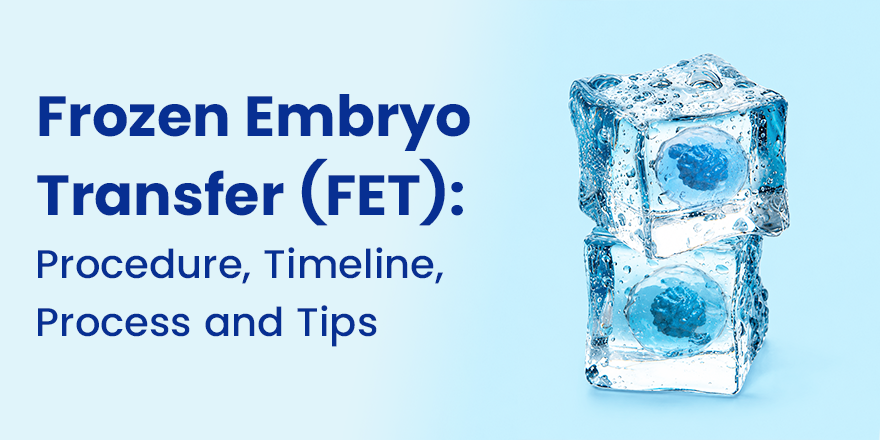
Frozen embryo transfer, or FET, is a fertility treatment in which an already cryopreserved embryo is thawed and transferred to the uterus. Such embryos were created earlier during IVF/ICSI cycle.
In general, in an IVF cycle, suitable embryos are cryopreserved through advanced freezing technology. During the time that the patient will receive transfer, the fertility doctor prepares the uterus and arranges the procedure according to the developmental stage of the embryo.
The primary difference between a fresh and frozen transfer is in the timing of the procedure. In the case of a fresh transfer, the embryo will be transferred in the same IVF cycle where the eggs have been obtained. In the case of IVF frozen embryo transfer, the embryo will be transferred in a later cycle.
Why Is FET Used in IVF?
There are a number of situations when a fertility doctor recommends FET in the IVF procedure. This may involve having suitable embryos left from the previous cycle of IVF, decision to postpone the transfer process or to use the frozen embryo because of medical or treatment considerations.
However, the optimal strategy in each situation depends on many factors, including the age of the patient, embryo quality, uterus conditions, previous treatment experience, and the decision of the fertility doctor.
FET Procedure Steps in Order
The steps in the procedure for a frozen embryo transfer can vary between patients, but the typical steps include:
1. Initial Evaluation
Before proceeding with FET, the infertility doctor evaluates the patient's history with regard to their fertility and medical issues. Ultrasounds or blood tests may be done to evaluate the condition of the uterus as well as the hormones.
2. Endometrial Preparation
The endometrium is needed to be receptive for the embryo to implant. Depending on the patient's menstrual cycle and the specific therapy, the endometrium is prepared using either the natural or hormone regimen.
During the hormonally assisted FET cycle, estrogen is administered to facilitate endometrial development.
3. Start of Progesterone
The hormone progesterone is significant in preparing the endometrium to accept the embryo. During a scheduled FET, the initiation of progesterone occurs as per the protocols of the clinic, as well as the developmental stage of the embryo.
4. Embryo Thawing
Around the time of transfer, the chosen embryo is thawed within the laboratory of embryology. Cryopreservation technology allows the storage of embryos for future use; however, not all embryos survive the thawing process.
5. Embryo Transfer
The embryo is transferred into the uterus through a catheter introduced through the cervix. The procedure is usually done without the requirement for surgery.
6. Pregnancy Test
Following the transfer, your fertility clinic will give you a specific date to test for pregnancy. Early testing could be misleading due to low pregnancy hormone levels that cannot be detected yet. Stick to the date indicated by your fertility specialist.
Frozen Embryo Transfer Timeline
The frozen embryo transfer timeline is different from one individual to another. An illustration of the timeline of a medicated FET cycle could be the following:
| Stage | What Usually Happens |
|---|---|
| Cycle preparation | Baseline assessment and treatment planning |
| Endometrial preparation | Estrogen or natural-cycle monitoring |
| Lining assessment | Ultrasound and/or blood tests |
| Progesterone | Started according to the treatment protocol |
| Embryo transfer | Thawed embryo is transferred into the uterus |
| Waiting period | Continue prescribed medicines and normal recommended activities |
| Pregnancy test | Performed on the date advised by the clinic |
While some patients go through natural cycle FET, other patients may need hormonal stimulation. Your timeline will therefore be longer or shorter compared to this one.
What to do after embryo transfer to increase success?
Many patients are always wondering what to do after embryo transfer to maximize their chances of becoming pregnant. However, there is nothing that you should eat, drink, position or use at home that guarantees embryo implantation. Instead, ensure that you follow the instructions of your fertility specialists.
Take your medications on schedule
Continue taking progesterone, estrogen or whatever else is prescribed to you. Never stop your medications because of light bleeding or other symptoms unless instructed otherwise by your fertility specialists.
Live healthily
Consume a nutritious diet which includes foods that are rich in proteins, whole grains, fruits, vegetables and healthy fats. Make sure that you remain hydrated and do not smoke or consume alcohol and recreational drugs.
Follow instructions about your physical activities
Exercise and daily activities should usually be different from strenuous exercises. Follow all the physical activity restrictions provided by your fertility specialist.
Do not engage in self-medication
Do not take new medications, supplements and herbs without first consulting your fertility specialist, especially during embryo implantation period.
Manage your stress realistically
The Two Week Wait can be psychologically challenging. Relaxing, light exercise, sufficient sleep and support from your loved ones can help you cope with the waiting process. Do remember that routine stress doesn't necessarily mean that your embryo won't be able to implant.
What is After The FET?
Once the embryo has been transferred, there is the possibility of implantation if the embryo is successful at attaching itself to the uterus lining. It must be remembered, however, that symptoms alone aren't sufficient evidence for confirmation of implantation.
Some patients might have cramps, spotting, breast tenderness, and bloating while others do not experience any symptoms at all. All of these symptoms might also be caused by fertility drugs such as progesterone.
The best way to determine if your treatment has been successful is through a pregnancy test recommended by your fertility clinic.
Should the test prove positive, the clinic will be able to perform an early ultrasound in order to verify the pregnancy and monitor its progress.
When to Contact Your Doctor?
Make contact with your fertility clinic in case you have heavy bleeding, a painful abdomen, fever, or any other illness symptoms following the transfer.
Also, you should remember that each FET cycle is unique. The quality of embryos, mother’s age, uterine environment, hormonal preparations, and fertility factors can affect the results of the treatment.
Choosing the Right IVF Hospital for Your FET Treatment
The fertility treatment process consists of many things besides the embryo transfer. Evaluation, treatment plan, fertility specialists, embryology, and proper follow-up make the difference.
If you are looking for IVF treatment in India, selecting an experienced IVF Hospital in India will guarantee that your treatment will be organized according to your individual needs. Patients are able to compare different hospitals in case they are searching for an Infertility Hospital in India or the Best IVF Centre in India.
Frequently Asked Questions
1. What is the meaning of FET in IVF?
FET means Frozen Embryo Transfer. This is an IVF treatment where a frozen embryo is thawed and transferred into the uterus.
2. Is frozen embryo transfer a painful procedure?
This procedure can be a little uncomfortable for some people. The actual process takes only a few minutes and uses a thin tube through the cervix.
3. When do you take the pregnancy test after FET?
Timing of the test can vary from place to place, and it is best to consult with your fertility specialist about the right day.
4. Can I walk after frozen embryo transfer?
It depends on what your doctor tells you. You may be able to resume regular activity within a few days after FET.
5. Does FET ensure pregnancy?
No, FET is a chance for pregnancy but not guaranteed.