



How to Increase Progesterone Naturally: Foods & Fertility Tips
Natural ways to enhance Progesterone levels are key for women who want a normal cycle, a successful pregnancy, and high levels of fertility. Progesterone is a hormone with a high efficacy in implantation, ovulation, and maintenance of pregnancy. The deficiencies of this progesterone hormone will cause aberrant menstruation, ovulation disorders, and hard pregnancy attainment. Knowing how to increase progesterone naturally will enable women to take proper control of their reproductive health.
While many look for a progesterone-enhancing food, the reality is that true support only comes from a holistic approach: balanced nutrition, regular ovulation, and lower stress levels.
Why Progesterone Matters for Fertility
Progesterone is a key reproductive hormone essential for conception and the early stages of pregnancy. After ovulation, during the luteal phase, the corpus luteum produces progesterone, which thickens and maintains the uterine lining to enable a fertilised egg to implant securely. During pregnancy, progesterone continues to support the uterine environment until the placenta fully develops and takes over hormone production. However, low progesterone can impact implantation or make it tougher to sustain an early pregnancy. There are some low progesterone symptoms that you need to take care of.
Insufficient progesterone is linked to reproductive problems like spotting before the period, irregular menstrual cycles, difficulty conceiving, and a higher risk of miscarriage.
Low progesterone also contributes to PMS symptoms, sleep disturbances, mood swings, and breast tenderness. Due to progesterone rises after healthy ovulation, anything that disrupts ovulation, like nutrient deficiencies, stress, and hormonal imbalances, over-exercise can reduce levels. Some of these factors are modifiable, and natural strategies can meaningfully support the body’s ability to produce progesterone.
Diet and Key Nutrients for Natural Progesterone Support
Hormone production relies on nutrient availability, metabolic health, and blood stability. While no single food directly enhances progesterone, certain nutrients play a crucial role in the ovulation cycle and hormone balance.
1. Healthy Fats
Hormones are manufactured from cholesterol, which includes healthy fats in your diet, giving the body what it needs to synthesise hormones.
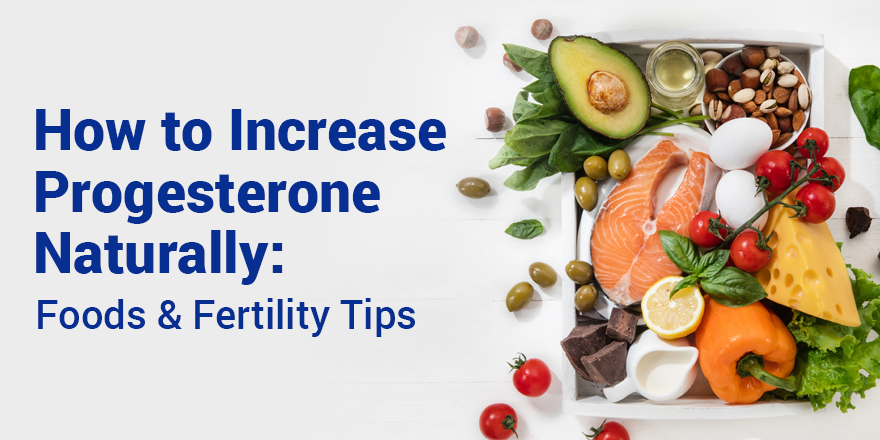
Avocados, extra virgin olive oil, fatty fish like sardines and salmon, and flaxseeds or chia are just some progesterone foods that offer this support. Omega-3 essential fatty acids will help in maintaining healthy ovarian function, reduce inflammation, and improve cell-to-cell communication within the reproductive system. Too little healthy fat in the diet will lead to irregular cycles, ovulatory failure, and poor progesterone production.
2. B Vitamins, Especially Vitamin B6
Vitamin B supports energy production, metabolism, and neurological function and plays a crucial role in reproductive health. However, Vitamin B is related to an improved luteal phase function, and it will help in maintaining adequate progesterone levels post-ovulation. B6-rich foods that increase progesterone include bananas, chickpeas, potatoes, whole grains, poultry, and leafy greens. Also, these nutrients will help in balancing blood sugar, which is crucial because insulin resistance and unstable blood sugar can affect ovulation.
3. Vitamin C
Vitamin C is concentrated in ovarian tissue that contributes to hormone regulation, follicular development, and antioxidative protection. However, Vitamin C is concentrated in the ovarian tissue and contributes to follicular development, hormone regulation, and antioxidative protection. Higher Vitamin C intake has been related to higher progesterone levels, especially in women with luteal phase defects. Kiwi, Citrus fruits, red bell peppers, broccoli, and strawberries are rich sources. Vitamin C also supports collagen synthesis, which makes it valuable for both general and reproductive health.
4. Zinc and Magnesium
Zinc ensures normal ovarian hormone production, which will help in maintaining regular menstrual rhythms. Magnesium affects thousands of biochemical reactions, which will affect stress resilience and ovulation. However, Magnesium will help in regulating the HPA axis, indirectly supporting progesterone by keeping cortisol levels stable. Foods that are rich in magnesium and zinc include lentils, pumpkin seeds, dark chocolate, almonds, and leafy greens such as Swiss chard or Spinach. Because many adults are mildly deficient in magnesium, regularly including magnesium-rich foods will support cyclical hormone patterns. Also, these dietary tactics will help naturally support progesterone levels, and if natural approaches are insufficient, doctors might recommend progesterone pills as a part of a treatment plan.
Lifestyle, Stress Levels, and Their Impact on Progesterone
Cortisol, the stress hormone, affects progesterone, and during periods of stress, the body prioritises cortisol production using the same raw materials that are needed for progesterone. Also, this will lower progesterone levels and can cause cycle irregularities, potentially affecting fertility.
Stress-Reduction Practices
Hormone pathways are interconnected, so reducing stress indirectly supports progesterone production by promoting healthier ovulation.
Simple practices such as yoga, meditation, deep breathing, mindfulness exercises, or gentle stretching can help lower cortisol levels. Nature walks, hobbies, or spending time with supportive friends and family can also regulate the stress response. Even just ten minutes a day of activities that calm the nervous system can make a measurable difference in hormonal balance.
Avoid Over-Exertion
While some exercise supports fertility, excessive or even highly intensive exercise can suppress ovulation, especially when it is mixed with caloric restriction.
Some of the activities, like high-volume training or long-distance running, can reduce progesterone by signaling to the body that it is under physical stress.
How Can Weight Impact Progesterone Balance?
Maintaining a healthy body weight is crucial for reproductive hormone production. Being underweight can reduce estrogen and progesterone levels, stop ovulation, and weaken or even stop menstruation. Being overweight can enhance estrogen levels, which will lead to estrogen dominance, which is one of the common causes of low progesterone. Maintaining and achieving an appropriate BMI will support proper ovulation and a healthier luteal phase.
1. Reducing Exposure to Endocrine-Disrupting Chemicals
Environmental toxins can affect estrogen’s role in the body, interfere with hormone signaling, and disrupt a healthy estrogen-to-progesterone ratio. However, a first step towards supporting natural hormone balance is reducing exposure to endocrine disruptors found in certain plastics, pesticides, and products that contain parabens or phthalates. Simple Swaps can make a difference, like replacing plastic containers with glass or choosing natural or fragrance-free skincare products, and washing produce thoroughly.
2. Mediterranean-Style Eating Pattern
The Mediterranean diet has been consistently related to better fertility due to its emphasis on antioxidants, whole foods, and a balanced macronutrient profile. However, the eating pattern includes fruits, abundant vegetables, legumes, and nuts, and it naturally reduces inflammation and supports hormone production that is crucial for maintaining optimal progesterone levels.
Final Thoughts
Supplement plan, which is especially combined with fertility medications or treatments, should be reviewed by a reproductive specialist. However, self-supplementation will lead to nutrient interactions or timing problems that will affect hormone balance and cycle regularity. You can also visit Seeds of Innocens IVF, which is one of the Best IVF Centre in Delhi.
Frequently Asked Questions
1. What is progesterone?
Progesterone is a hormone responsible for maintaining regular periods, helping with conception, promoting quality sleep, and balancing estrogen.
2. What are the symptoms of low progesterone?
Symptoms can include:
- Menstrual irregularity
- Difficulties conceiving
- Spotting before menstrual periods
- Mood swings and irritability
- Trouble sleeping
- Headaches
- Reduced libido
- Fatigue
- Consult a physician if symptoms are serious.
3. What kind of foods increase progesterone naturally?
Foods to increase natural progesterone include:
- Nuts and seeds
- Eggs
- Avocados
- Green leafy veggies
- Fatty fish
- Pumpkin seeds
- Bananas
- Beans and legumes
Such foods contain zinc, magnesium, B vitamins, and other nutrients to improve hormone balance.
4. Does stress affect progesterone?
It does. High levels of cortisol trigger the use of progesterone in order to cope with stress. Meditation, yoga, controlled breathing, and sufficient sleep may help.