



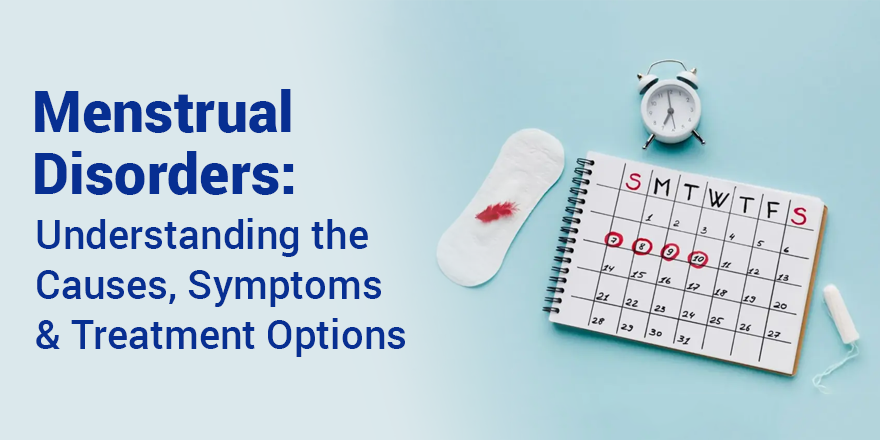
Menstrual Disorders: Understanding the Causes, Symptoms, and Treatment Options

Menstruation is a normal biological process, and it matters a lot for a woman’s reproductive wellness. In general, a “healthy” menstrual rhythm shows up every 21 to 35 days, and it tends to last about 2 to 7 days, but for many women, things get a bit messy. When that happens, it’s usually called menstrual disorders, like problems that can shake physical health, emotional balance, fertility, and overall quality of life.
If someone understands menstrual disorders, what causes them, what they look like, and what treatments are out there, it becomes easier to get care earlier and stay in better reproductive shape.
What are Menstrual Disorders?
Menstrual cycle disorders basically mean any oddity in a woman’s menstrual pattern. These odd changes can show up as irregular periods, too much bleeding, painful menstruation, or even the total absence of periods.
Now, it’s not unusual for a cycle to shift sometimes from stress, lifestyle changes, or those hormonal ups and downs. But if the change keeps happening, or becomes persistent, it might point to an underlying condition that needs a medical check.
Common Types of Menstrual Disorders
1. Dysmenorrhea (Painful Periods)
Dysmenorrhea is probably one of the more common issues. It causes strong cramping and pain in the lower belly before or during the menstrual flow.
Possible signs include:
Primary dysmenorrhea happens without any identifiable condition underneath, while secondary dysmenorrhea is linked to things like endometriosis, fibroids, or pelvic inflammatory disease.
2. Amenorrhea (Absence of Periods)
Amenorrhea means the periods simply do not come.
There are two types:
Primary Amenorrhea: The girl has not started menstruating by age 15.
Secondary Amenorrhea: A woman who used to have regular cycles stops menstruating for three months or more.
Causes of Menstrual Disorders can include:
3. Menorrhagia (Heavy Menstrual Bleeding)
Menorrhagia is when bleeding is unusually heavy, or it lasts too long.
Signs may involve:
If heavy bleeding keeps going, it can mess up day-to-day life, and it can also contribute to anemia if nothing is done.
4. Oligomenorrhea (Infrequent Periods)
Oligomenorrhea means the cycles are far apart. Typically, it means menstrual cycles longer than 35 days, or fewer than eight periods in one year.
Typical causes include:
5. Premenstrual Syndrome (PMS)
PMS is a mix of emotional, physical, and even behavioral symptoms that happen before menstruation starts.
Symptoms can include:
Typically, these symptoms improve once menstruation begins.
6. Premenstrual Dysphoric Disorder (PMDD)
PMDD is like a tougher version of PMS, and it can seriously disrupt emotional health and daily functioning.
Symptoms can include:
Women who have PMDD often need medical care because treatment can help bring the symptoms under control in a more effective way.
What are the Causes of Menstrual Disorders?
Menstrual disorders can be caused by several factors, usually more than one at a time. The usual suspects include hormonal imbalances, conditions like PCOS and endometriosis, thyroid issues, stress, and uterine fibroids.
Our hormones play a big role. Estrogen and progesterone manage the menstrual cycle, so when their levels get out of whack, it can seriously disrupt periods.
Then there's PCOS, which screws up hormone levels too. This makes ovulation either stop or become super unpredictable, leading to all sorts of period problems.
The thyroid is another key player. If it's overactive or underactive, it can really throw off menstrual regularity and change bleeding patterns as well.
When we’re stressed for long periods, it affects the hypothalamus—the part of the brain that helps keep those hormone signals in check for menstruation.
Lastly, there's endometriosis. With this condition, tissue similar to what lines the uterus grows outside where it doesn’t belong. This leads to extremely painful periods. Medications can disrupt your menstrual cycle or flow. There are several Menstrual disorders treatments through which reproductive health can be improved. Several birth control pills and blood thinners do this, but other prescription drugs might as well. Your lifestyle also affects things. Poor eating habits, being overweight, overdoing it at the gym, or quick weight shifts can lead to irregularities. Even messing with your sleep can cause problems sometimes. Symptoms vary based on the specific issue. You might have unpredictable cycles or extremely heavy bleeding.
What are the different methods to diagnose menstrual disorders?
To diagnose the problem, doctors typically use different methods. First, they talk about your medical history – your period pattern, daily life, and family background. They may also do a physical exam, checking out your reproductive system. Plus, they often run blood tests to see your hormone levels, check if your thyroid is acting up, and look for anemia.
An ultrasound can show fibroids, ovarian cysts, or other issues in the pelvis. For a closer look inside the uterus, doctors might use a hysteroscope with a tiny camera. Advanced imaging, like an MRI, can be used too, to get a clearer picture.
Treatment varies based on what's causing period problems and how bad the symptoms are. Meds often include pain relief for cramps, hormonal birth control, progesterone, and anti-inflammatory drugs. If the thyroid's the problem, they'll prescribe that too.
Final Thought
Living healthily helps a lot. Things like eating well, exercising, and keeping stress under control go a long way. Getting good sleep and staying at a healthy weight are important, too. For some conditions, managing the underlying issue can fix periods. When polycystic ovary syndrome, a thyroid problem, fibroids, or endometriosis is to blame, treating those specifically usually makes cycles better. Being informed about what's normal and what's not, and knowing the treatments available, lets women take charge of their health. Regular visits to the gynecologist, along with good lifestyle choices, go a long way in keeping things under control and helping you stay healthy. However, if you are looking for the Best IVF Centre In Lucknow, then do visit Seeds of Innocens IVF, where you will get the right treatment and right guidance.
Frequently Asked Questions
1. What are menstrual disorders?
Menstrual disorders mess with a woman's regular period flow. This could mean your cycle's off, you're bleeding way too much, or your periods are really painful. Sometimes you might not get your period at all!
2. What causes menstrual disorders?
Several things can trigger these issues. Hormones going haywire, PCOS, thyroid problems, being super stressed, being overweight, fibroids, endometriosis, or some medicines could be culprits.
3. What are the symptoms of menstrual disorders?
When something's up, you might notice your cycle is wonky. Maybe you bleed super heavily or have killer cramps. Other signs could be missing periods when pregnancy is ruled out, feeling totally drained, and spotting randomly.
4. When do you seek help?
If you're bleeding extremely heavily or hurting really badly, your periods last more than a week, or if you miss periods except when you've taken a pregnancy test, then talk to a doctor. The same goes for periods showing up when they shouldn’t. Furthermore, A normal period cycle length lasts anywhere from 24 to 38 days, with 28 days being the average.
5. Can stress affect my menstrual cycle?
Also, stress can seriously muck up your cycle. Feeling overly stressed can jumble up hormones, causing delays, chaos in your monthly schedule, or skipping periods entirely. So keep calm and try to chill!
6. How many days is a normal period last?
Period lasts anywhere between 2 and 8 days, with most people bleeding for about 5 days. The exact length varies greatly from cycle to cycle, and factors such as age, hormonal birth control, and underlying health conditions can influence your typical duration.