




Period Cramps vs Early Pregnancy Cramps: How to Tell the Difference

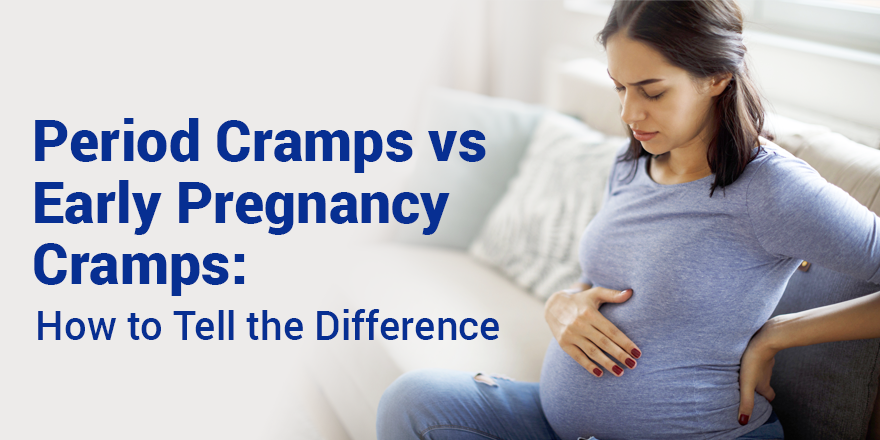
Women experience cramping around the time of the menstrual cycle and may wonder whether it is a sign of an upcoming period or an early indication of pregnancy. Since both types of cramps can feel similar, it can be tough to distinguish between them, especially in the first few weeks after conception. Understanding the differences between period cramps and early pregnancy cramps will help you better recognize what your body is telling you. While cramping alone will not confirm pregnancy, paying attention to the other symptoms and the timings will provide a valuable clue. In this blog, we will find out more about period cramps vs early pregnancy cramps and how to tell the difference
What Are Period Cramps?
Period cramps, which are medically known as dysmenorrhea, occur when the uterus contracts to shed its lining in menstruation. These contractions are triggered by hormone-like substances called prostaglandins. Menstrual cramps are a normal part of the menstrual cycle and can vary in intensity from mild discomfort to severe pain.
Common Characteristics of Period Cramps
Usually, it starts 1-2 days before menstruation or on the first day of bleeding. It might radiate to the lower thighs and lower back It will range from dull aches to intense, throbbing pain Pain is often felt in the lower abdomen It often is accompanied by the menstrual bleeding which may occur with the period cramps will include:
What Are Early Pregnancy Cramps?
Early pregnancy cramps refer to the mild cramping felt at the beginning of pregnancy and which lasts up to 12 days following conception. Such cramps happen when a fertilized egg implants itself on the wall of the uterus. It's worth noting that not all women experience these cramps, but where they occur, they tend to be milder than period cramps.
Characteristics of early pregnancy pain areas
Painful cramps during early pregnancy are considered to be normal as the body starts making adjustments to accommodate pregnancy.
Main Differences between pregnancy cramps vs period cramps
1. Severity of the Cramping
Moderate to severe cramping that may affect everyday activities.
Less severe and subtle cramping; severe cases in early pregnancy are rare.
2. Duration of the Cramps
Begin a few days before your period starts or just when menstruation begins.
It might occur about a week before the expected period due to implantation.
3. Duration
It will last for some days.
It occurs intermittently and will last for a few hours to a couple of days.
4. Associated Bleeding
Pursued by the normal menstrual flow.
It might be accompanied by the light spotting, which is known as an implantation bleeding, which is lighter than the regular period.
5. Location of Discomfort
It is spread across the lower back and lower abdomen.
Usually feel more localized in the pelvic area or lower abdomen.
If experiencing cramping accompanied by the following symptoms, pregnancy could be considered:
Missed menstruation period is among the earliest and most common symptoms of being pregnant.
Most women experience:
The increase in progesterone hormone makes women feel extremely tired even at early pregnancy stages.
6. Nausea
This morning sickness symptom may begin from the fourth to fifth week of pregnancy.
7. Frequent Urination
The increased flow of blood to kidneys triggers frequent urination.
Women often become sensitive towards certain foods or drinks while pregnant.
8. Implantation Cramping
Implantation cramping is associated with the embedding of the fertilized egg inside the uterus wall. Implantation cramping usually occurs from six to twelve days after ovulation.
Symptoms of Implantation Cramping
Implantation cramps are often mistaken for period pain due to their timing.
When to Take a Pregnancy Test
In case you think that your cramps might be associated with pregnancy, the best way to diagnose this situation is by doing a pregnancy test.
To obtain the most reliable outcome, follow these recommendations:
When to Call a Doctor
Although menstrual and early pregnancy cramps are quite common, some symptoms should raise your concern and make you visit a doctor as soon as possible.
Contact a specialist if you feel:
Recommendations for Handling Milder Cramps
If you have either period or early pregnancy cramps, here are some recommendations for cramps during early pregnancy:
Also Read: Can I-Pill Cause Infertility in Women?
1. Keep Yourself Hydrated
Drinking lots of fluids could help minimize bloating and cramping.
2. Use Heat Compresses
Placing a warm heating pad or hot water bag against your abdomen can help soothe your abdominal muscles.
3. Physical Activity
Exercising moderately through light physical activities like walking and prenatal yoga can help relieve cramps.
4. Get Enough Rest
Your body needs more rest especially when there is hormonal fluctuation in your body.
5. Have a Healthy Diet
Eating well-balanced meals will ensure that your cramping will be less intense.
Final Thought
The experience of period cramps versus early pregnancy cramps can be identical. The only way you would be able to tell which one it is, aside from cramping, would be through other factors such as the time the pain occurs, intensity, and how long it lasts. Period cramps happen around the time your periods start, while early pregnancy cramping happens before you even miss your period and can happen during implantation or after your fertilized egg attaches itself to your uterus. To clarify whether the symptoms are caused by the period or pregnancy, performing a pregnancy test after a missed period would be the next best step.
If you are looking for the Best IVF Centre in Gurgaon, then Seeds of Innocens IVF is the right choice.
Also Read: How to Get Periods ImmediatelyFrequently Asked Questions
1. Are pregnancy cramps always like period cramps?
Yes, early pregnancy cramps can mimic period cramps. They are, however, not as painful.
2. After how many days does pregnancy cramp start from conception?
Cramps can appear after six days and twelve days after ovulation and fertilization.
3. Does pregnancy always come with cramps and bleeding?
Spotting and cramps might be experienced during a period. Taking a pregnancy test would clear doubts about whether it is a sign of pregnancy.
4. Can I have severe pain in early pregnancy?
Severe pain is not common in early pregnancy. If you have such pains, please consult a healthcare professional immediately.
5. Is there a possibility of being pregnant despite having cramps and not a missed period?
Cramps might be experienced before a missed period. They could be implantation cramps.