



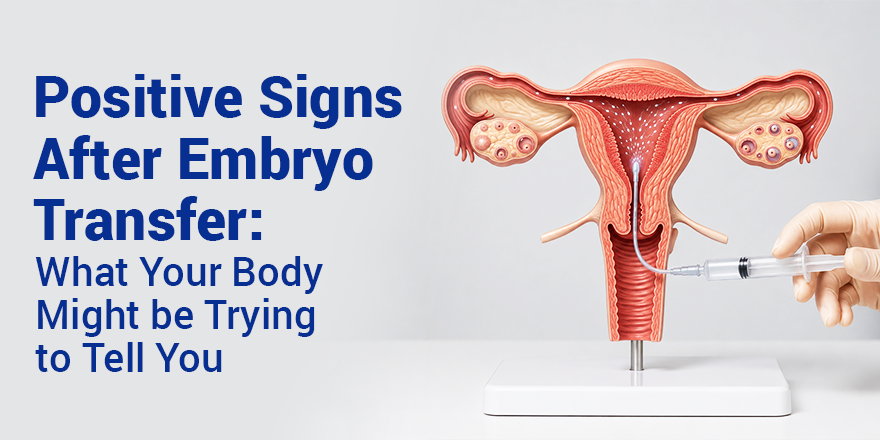
Positive Signs After Embryo Transfer: Symptoms of Successful Implantation
The days following an embryo transfer are a lot of emotions for one person to endure. Each symptom, body feeling, or mood swing becomes your mind’s reason to believe that the process was successful or not. Despite being stressful, the waiting period known as the “two-week wait,” many women experience some positive signs after embryo transfer, which might show that they have successfully implanted.
It is essential to note that each IVF process is different from another. It is true that some ladies might have experienced numerous symptoms; however, there are other cases where women experience no symptoms yet get a successful result. Thus, it is safe to say that having symptoms does not necessarily mean success, while having none does not mean the opposite.
What Happens After Embryo Transfer?
Once the embryo is transferred inside the uterus, it starts to embed itself into the uterine wall. This process is known as implantation, and depending on the stage at which the embryo transfer occurs, implantation will take place a few days after the procedure.
Implantation is followed by the secretion of pregnancy hormones such as Human Chorionic Gonadotropin. The latter plays an important role in the development of early symptoms of pregnancy.
Positive After embryo transfer day by day symptoms
1. Light Cramping or Pulling Feeling
Cramping is one of the most frequent early indicators of successful implantation. Women usually feel a slight pulling sensation, pinching, or pressure in their lower abdominal area when the embryo embeds itself in the uterine wall.
Unlike menstrual cramps, the pain from embryo implantation lasts only a few days and is relatively mild.
However, light cramping can also be caused by progesterone drugs administered throughout the IVF procedure.
2. Light Spotting or Implantation Bleeding
Light pink or brown spotting a few days after the embryo transfer procedure is sometimes experienced by some women, and this is referred to as implantation bleeding due to the attachment of the embryo to the uterine wall.
Implantation bleeding is characterized as:
Not all women will experience implantation bleeding, and not having it is absolutely normal.
3. Breast Tenderness
Breast tenderness may be another indicator of a successful embryo transfer and subsequent pregnancy. Because of elevated levels of hCG and progesterone, the woman may feel her breasts:
Moreover, some women will observe darkening of their nipples and increased visibility of blood vessels in their breast area.
Because fertility drugs may lead to breast soreness as well, the presence of this condition by itself is no proof of successful conception.
4. Fatigue and Tiredness
Another positive sign after the embryo transfer is being unusually tired. The hormonal activity of early pregnancy puts an extra load on the woman's organism, causing her to feel tired.
She may feel:
- Drowsiness during daytime hours
- Lack of energy
- Exhausted
5. Frequent Urination
It can start unexpectedly in some women, even during the very beginning stages of pregnancy. This is because of hormonal changes and increased blood flow.
If you feel you have been using the bathroom frequently, there might be good news in store for you.
6. Bloating
There is always bloating after the embryo transfer procedure in many women. The abdomen gets a feeling of heaviness, tightness, or bloating. It occurs due to hormonal changes and also due to high levels of progesterone.
Although bloating is common during the IVF process, bloating that occurs after implantation might be of a different kind.
7. Nausea and Food Sensitivity
Some women experience symptoms like nausea and food sensitivity even before their pregnancy testing date. Morning sickness typically begins only towards the later stage of pregnancy, although food sensitivity is experienced by some sensitive people.
Symptoms you might experience are:
- Bitter taste in your mouth
- Food aversion
- Food sensitivity
- Nausea
- Increased sensitivity
- Emotionally charged
- Feeling irritable
- Excited or nervous
- Milky white in color
- Odorless
- Creamy
- About 7 days after embryo transfer, symptoms
- This may depend on the type of embryo that was used
- Beta hCG blood test yields the most reliable results.
- Extreme abdominal pain
- Abnormal vaginal bleeding
- Discharge after embryo transfer
- Problems with breathing
- Severe bloating
- Feeling Fever
- Dizziness
- Nausea
- Do not overthink every symptom.
- Stay well hydrated.
- Eat healthy foods.
- Stick to the medication regimen.
- Ensure that you get enough rest.
- Avoid any intensive exercises.
- Stay close to your support network.
- Most importantly, rely on your body.
8. Changes in Mood
Mood changes resulting from fluctuations in hormones during the early stage post-embryo transfer include:
Although stress during the waiting period affects the body’s response, mood changes are mostly associated with hormone fluctuations during early pregnancy.
9. More White Discharge
White discharge in increased amounts after the procedure can be caused by hormonal changes that occur after implantation. This discharge will be:
However, when there is a smell or irritation accompanying the discharge, it is advisable to talk to your fertility doctor.
10. Having No Symptoms
Having no symptoms can be a completely normal experience. Most of the women who become pregnant during the course of their fertility treatment report feeling nothing in the two weeks’ wait.
Reactions to the procedure and hormones will differ from one body to another. It is therefore not advisable to compare your reaction with other people's.
When Should You Take a Pregnancy Test?
The first common mistake people make in their efforts to conceive is taking a pregnancy test too early. A home pregnancy test may fail to detect hCG accurately in the early days after embryo transfer.
According to fertility experts, it’s better to wait until:
Taking a pregnancy test before the optimal time may lead to stress due to inaccurate results.
What Symptoms Should Make You Seek Medical Help?
Although some symptoms after embryo transfer, there are others you should never overlook. Consult your fertility specialist at once if you have:
They may suggest serious problems like ovarian hyperstimulation syndrome (OHSS) or infection.
How to Maintain Positivity During the Two-Week Wait
Two weeks after an embryo transfer is an extremely mentally draining period. Below are some tips on how to stay positive during that time.
Two weeks after an embryo transfer is an extremely mentally draining period. Below are some tips on how to stay positive during that time.
Final Thought
While positive symptoms after embryo transfer may indicate successful implantation and bring a lot of excitement, it is essential to keep in mind that each woman's experience may differ. Symptoms such as cramps, spotting, feeling tired, sore breasts, and swelling are considered negative signs after embryo transfer, but they cannot serve as evidence of the embryo being implanted.
The only surefire way to tell whether or not an embryo transfer was successful would be to take a pregnancy test, as suggested by your fertility doctor.
Regardless of which symptoms you have or have not had, try to maintain optimism, and if you are looking for the Best IVF Centre in Ghaziabad, then look nowhere else at Seeds of Innocens IVF.
Frequently Asked Questions
1. What are some of the earliest positive symptoms after embryo transfer?
Some of the earliest positive signs after an embryo transfer include mild cramping, spotting, breast sensitivity, fatigue, bloating, and increased vaginal discharge. Nonetheless, there are always variations between people.
2. Is cramping after embryo transfer a positive sign?
Cramping might be a positive sign since it can be an indication that the process of implantation has been successful. However, one needs to note that cramping is associated with IVF medications.
3. Can I be pregnant without symptoms after embryo transfer?
Absolutely! Some women do not experience any symptoms yet are still pregnant despite the lack thereof. Not experiencing any symptoms doesn't imply the failure of an embryo transfer procedure.
4. When should I consider taking a pregnancy test after embryo transfer?
It is advisable for you to wait until about 9-14 days after the embryo transfer procedure when testing your pregnancy level. This can best be done by a blood pregnancy test (beta-hCG test).