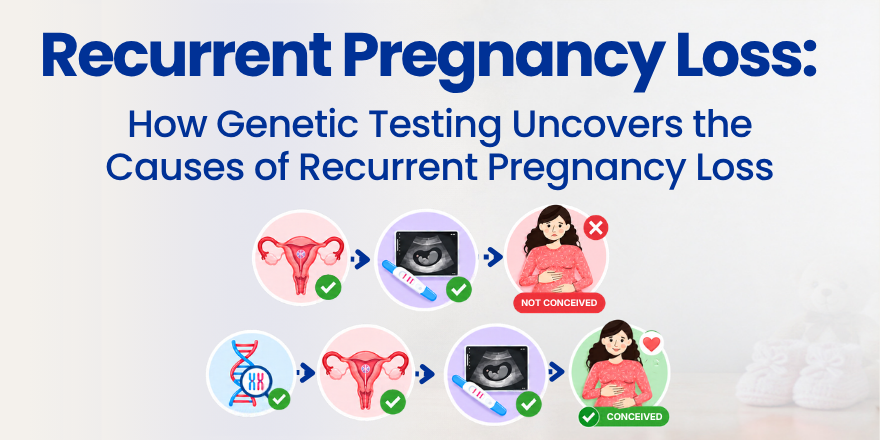
Recurrent Pregnancy Loss: How Genetic Testing Uncovers the Causes of Recurrent Pregnancy Loss

Have you suffered two or more miscarriages and are concerned about your ability to conceive a healthy child? Then you are not alone. Recurrent pregnancy loss (RPL) can be a source of emotional distress and confusion if the cause is unknown to you.
However, the good news is that medical examinations can help you understand what could be wrong, and many women suffering from recurrent miscarriages eventually give birth to healthy babies.
In the following guide, you will learn the definition of recurrent miscarriage, its causes, recurrent miscarriage meaning, diagnostic procedures, and treatment in simple terms.
What Is RPL in pregnancy?
Recurrent pregnancy loss (RPL) refers to suffering two or more miscarriages. As stated by the American Society for Reproductive Medicine (ASRM), very early pregnancies diagnosed with the help of either a urine or blood pregnancy test can also be considered as well, while miscarriages do not have to be consecutive. Confirmed ectopic and molar pregnancies do not qualify as recurrent pregnancy loss workup. In simple words, recurrent miscarriage means having a miscarriage more than once, which can suggest the need for further medical investigation.
Miscarriage is quite common and does not necessarily indicate a problem with fertility. But in the event of two pregnancy losses, it would be wise to visit a gynecologist or fertility specialist to discuss tests.
What Are the Causes of Recurrent Pregnancy Loss?
Determining the recurrent recurrent miscarriage causes is the first step towards getting the right treatment. There are various reasons why pregnancy loss occurs.
1. Genetic or Chromosomal Abnormalities
One of the most common recurrent pregnancy loss acog is chromosomal abnormalities. Chromosomes contain the genetic material required for proper growth.
This is usually due to chance. Sometimes one of the parents may have a balanced chromosomal rearrangement, which increases the chances of pregnancy loss.
2. Uterine Abnormalities
Sometimes the shape or structure of the uterus can have an effect on pregnancy development.
Miscarriage risk factors include:
- Septate uterus, in which a tissue wall separates part of the uterus.
- Fibroids affecting the uterine cavity.
- Endometrial polyps.
- Scar tissue in the uterus.
- Not all fibroids and uterine abnormalities cause miscarriages. An expert can determine whether any particular case is important for your reproductive history.
3. Hormonal and Metabolic Disorders
Hormonal imbalance and other medical disorders may increase the risk of miscarriage.
Some of them include:
- Thyroid problems, especially if not treated.
- Diabetes not well controlled, which may affect pregnancy.
- Other hormonal disorders, depending on the patient's symptoms and medical history.
4. Immunologic and Clotting Disorders
Antiphospholipid syndrome (APS) is an immunologic disorder linked to problems with blood clotting and pregnancy. It is one of the significant, manageable causes of recurrent pregnancy loss. Not all tests related to immunity and inherited clotting disorders are needed in each case. The need for tests should depend on patient's history and present guidelines.
5. Age and Health Issues
As the woman's age increases, the chance of miscarriage grows since the incidence of chromosomal abnormalities in eggs grows with age.
Smoking, excessive drinking, and some other health or lifestyle factors might impact fertility. It is essential to be within healthy weight range, avoid smoking and drinking when planning to conceive, and manage any underlying medical issues.
Is It Possible to Have Unexplained Recurrent Miscarriage?
Yes, In some cases, physicians will not be able to find out the specific recurrent pregnancy loss causes despite adequate testing. This is unexplained recurrent pregnancy loss.
Not being able to identify the cause does not mean that there are no chances of having a baby.
Which Tests Are Used in the Work-Up of RPL?
An investigation of recurrent pregnancy loss allows determining various medical, genetic or anatomical reasons that may cause miscarriages.
The type of tests you will need depends on your age, pregnancy history, previous tests and medical problems.
Tests that your doctor might order may include:
Extensive medical history: Analysis of your previous pregnancies, dates of miscarriages, family history and current health problems.
Genetic screening: Chromosome analysis of miscarriage material (when available) may reveal genetic disorders. Sometimes parental chromosome screening is necessary.
Uterus examination: Ultrasound or any other imaging techniques can be used to evaluate the shape of the uterus.
Blood screening: Screening for antiphospholipid syndrome and checking of thyroid gland and glucose levels may be done.
Other specific tests: Further screening may be suggested depending on your symptoms or medical history.
It is not about ordering all possible tests in the work-up of RPL. It is about revealing causes and avoiding unnecessary tests and treatments.
What Is the Treatment for Recurrent Pregnancy Loss?
The treatment for recurrent miscarriages is based on the cause of the problem, if one can be determined. Some of the possible treatments include:
Treating thyroid problems or diabetes: Proper medical treatment before and during pregnancy will improve health and chances of successful pregnancy.
Treatment of antiphospholipid syndrome: A doctor may prescribe low-dose aspirin and heparin for some patients.
Management of uterine problems: Certain structural abnormalities may require treatment, depending on the results.
Genetic counselling: Some couples with chromosomal abnormalities may benefit from professional counselling.
Monitoring of pregnancy: Individualized monitoring, ultrasounds and supportive care can help evaluate the pregnancy. Do not start taking aspirin, blood thinners, progesterone, fertility drugs or any other supplements without consulting a doctor first. These treatments may not be appropriate for all cases.
At What Point Should You Seek Help from a Fertility Doctor?
There's no reason to think that your third miscarriage must happen first; instead, see your doctor after two pregnancy losses, so he or she may help you.
The medical team will be able to analyze your background, make an assessment and offer you the right tests and plan for your future pregnancy.
Bring all of your previous ultrasounds, tests, discharge letters and miscarriage tissue tests results to your meeting. The documentation will help to minimize unnecessary repeating of some procedures.
Is It Possible to Carry a Healthy Child After Two or More Miscarriages?
Yes, it is, It is possible to carry a healthy child after recurrent pregnancy loss.
Whether your possibilities are high enough depends on a number of circumstances, like age, medical background, finding the source of the problem. The ASRM and other societies underline the fact that people with repeated pregnancy loss do have their successful pregnancy.
Care should also be taken to consider the well-being of your emotions. During your next pregnancy, there may very well be grief, anxiety, and fear which would all be perfectly normal feelings. Remember, a miscarriage is never due to something that you did wrong or did not do. You will get support and answers without being made to feel like you are at fault for anything.
Your Next Step Towards a Healthy Pregnancy
A number of miscarriages could make you think negatively about the future. However, recurring pregnancy loss does not mean that you cannot have a baby.
Your next step should be in assessing your own risk factors, taking investigations and talking to a gynecologist about treatments.
Also Read: False Positive Pregnancy Test: Causes, Chances, and What to Do Next
Frequently Asked Questions
1. What is the definition of recurrent miscarriage?
Recurrent miscarriage can be described as the occurrence of two or more pregnancy losses.
2. What is the most prevalent cause of recurrent pregnancy loss?
The major cause of recurrent pregnancy loss is chromosomal abnormalities. Other causes include uterine abnormalities, antiphospholipid syndrome and some hormones/metabolic disorders.
3. What tests are required for recurrent pregnancy loss?
These tests depend on your case history and may involve uterine imaging, blood tests for antiphospholipid syndrome, thyroid function tests, diabetes test, and selected genetic tests.
4. Can recurrent pregnancy loss lead to infertility?
No, Infertility and recurrent pregnancy loss (RPL) are two different concepts. You can conceive but have repeated pregnancy losses. It is possible for these two conditions to coexist.