





Obstructive Azoospermia
 21000+
Smiles
 35+
35+Parenthood Joy
 78%
78%Hope to Families
 30+
30+Specialists
Obstructive Azoospermia
It is a condition where there is a blockage of the male reproductive tract, leading to a complete absence of sperm in the ejaculate. In obstructive azoospermia, optimal quality of sperms are present in the proximal epididymis but in very poor quality in the distal segments. It is not a very common condition as it is found in less than 1% of all men but in 10-15% of infertile men.
At seeds of Innocens, we examine the various causes of obstructive azoospermia, and the suitable treatment is then decided.
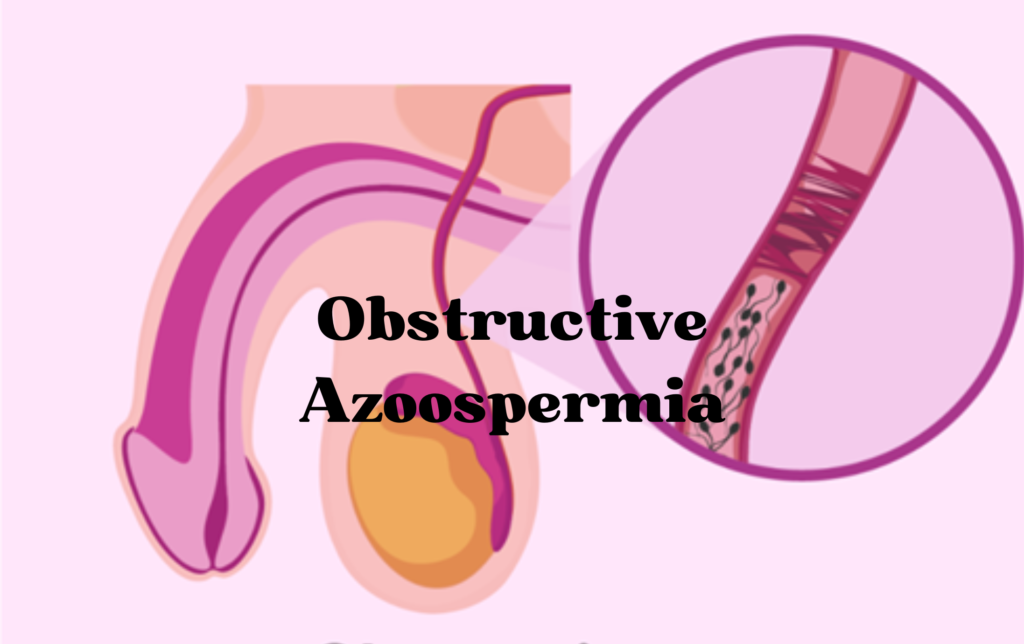
Types of Obstructive Azoospermia
Obstructive azoospermia is one of two main types of azoospermia (the other being non-obstructive). Here, sperm are produced but cannot reach the ejaculate due to a blockage in the reproductive tract.
Causes of Obstructive Azoospermia
Blockages may result from epididymal, vasal, or ejaculatory duct pathology. Causes include:
Symptoms of Obstructive Azoospermia
Typically no obvious physical symptoms. The main sign is inability to conceive and zero sperm count on semen analysis.
Diagnosis of Obstructive Azoospermia
Semen analysis confirms azoospermia. Hormone levels are often normal. Ultrasound or other imaging and sometimes genetic testing help identify the site and cause of blockage.
Treatment depends on cause and female factors. Options include surgical correction of the obstruction or sperm retrieval followed by IVF-ICSI.
Yes. Men with obstructive azoospermia often have good-quality sperm that can be retrieved and used with ICSI. Surgery may restore natural fertility in some cases. Our team will recommend the best option for you.
Consult a fertility specialist or urologist if you have been trying to conceive without success or if a semen analysis shows no sperm. Identifying obstruction allows planning of reconstruction or sperm retrieval.