





Female Genital Tuberculosis
 20,000+
Smiles
 35+
35+Parenthood Joy
 78%
78%Hope to Families
 30+
30+Specialists
Female Genital Tuberculosis
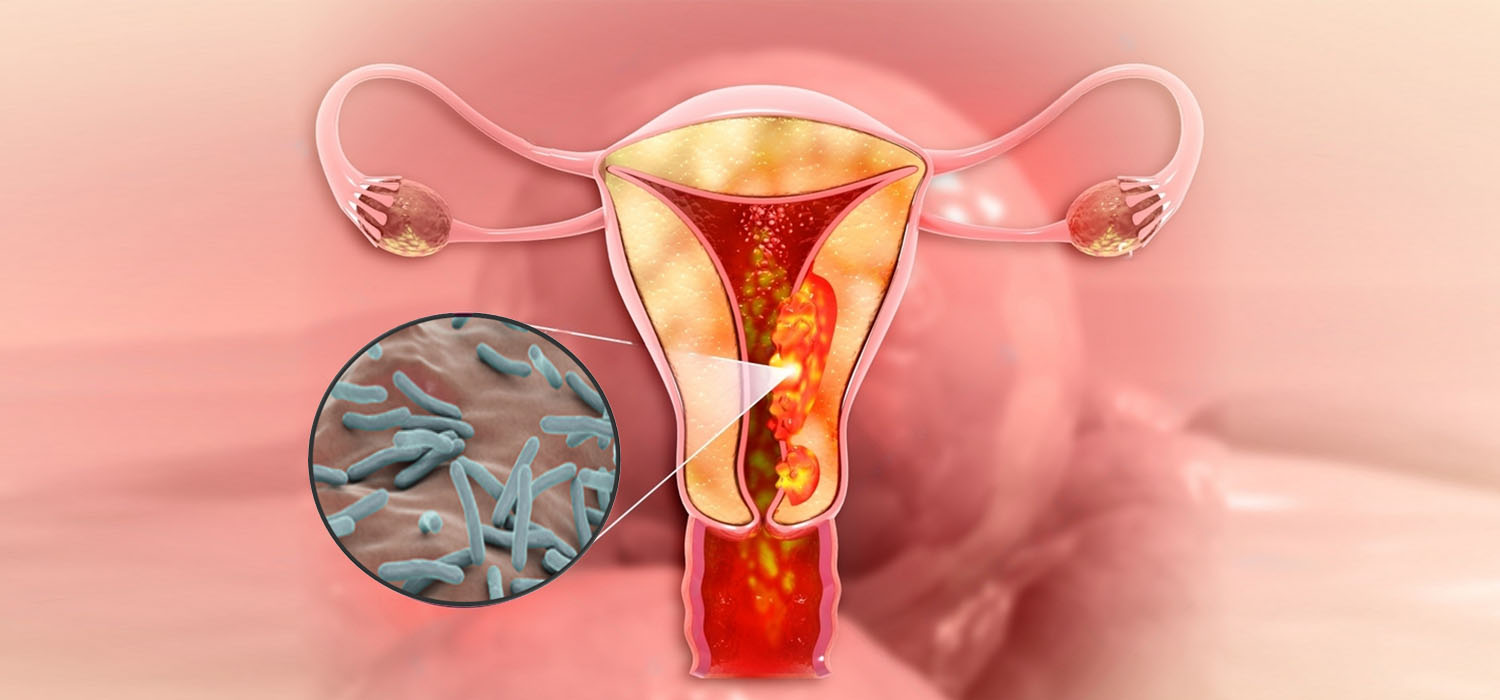
Female Genital Tuberculosis, or FGTB is a bacterial infection of the female reproductive system that is often associated with infertility in women. A highly asymptomatic condition in its early stages of development, the most common cause of genital tuberculosis is the spread of the mycobacterium from the lungs to the reproductive tract of the female.
The tuberculosis in uterus first arrives into the fallopian tubes of the female reproductive system, from where it can either block the tubes, or spread to the uterus and/or to the ovaries. On rarer occasions, the disease also spreads to the cervix, vagina, and the vulva as well. Genital Tuberculosis is known to be a major cause of infertility in India, where the disease can stay up to 10 to 20 years without any major uterus tuberculosis symptoms showing up. It is only upon investigation for infertility do doctors arrive on the conclusion.
If you want to know more about what is genital tuberculosis, book an appointment at Seeds of Innocence.
Symptoms of Female Genital Tuberculosis
Female genital tuberculosis is often asymptomatic for years; it may be found during infertility workup.
Causes of Female Genital Tuberculosis
Genital TB is usually caused by spread of Mycobacterium tuberculosis from the lungs to the reproductive tract.
Diagnosis of Female Genital Tuberculosis
Diagnosis may include imaging, culture, PCR, or histology.
Treatment for Female Genital Tuberculosis
Antibiotic treatment for TB is required. IVF is often recommended as tubes may remain damaged.
How Female Genital Tuberculosis Affects Fertility
Genital TB often damages fallopian tubes and endometrium, making natural conception unlikely. IVF bypasses the tubes and offers many women a chance at pregnancy after TB treatment.
Managing Female Genital Tuberculosis
Complete TB treatment as advised. Seek fertility care; IVF is often the preferred option after treatment.