Condom Myths vs Facts: The Right Way to Use Condoms
Condoms are one of the most effective and common methods of protection against unplanned pregnancy and sexually transmitted infections. Despite being widely available and easy to use, many people still believe myths about condoms that will lead to incorrect usage or, even worse, avoid them altogether. In this blog, we will break down the most common condom myths vs facts, and will explain the right way to use condoms, and will help you to make informed and confident choices about your sexual health.
Why Understanding Condoms Matters
Whether you are trying to protect yourself from infections or want to prevent pregnancy, condoms play an important role. Dr. Pallavi Shrivastava, an IVF Specialist at Seeds of Innocens IVF, Haldwani, says, “When used correctly, condoms are approximately 98% effective in preventing pregnancy and significantly reduce the risk of STIs, including HIV.”
Common Condom Myths vs Facts
Myth 1: Condoms always break.
Fact: Condoms are well-designed to be reliable and strong. Most breakages happen due to:
- Using oil-based lubricants
- Improper storage (Wallets, heat, tight pockets)
- Using Expired Condoms
- Incorrect wearing technique.
If it is used properly, condom breakage is rare.
Myth 2: Two condoms are better than one.
Fact: Wearing two condoms at once actually increases friction and makes them more likely to tear. So, it is necessary to use only one condom at a time for effective and safe protection.
Myth 3: Condoms reduce pleasure completely.
Fact: Modern condoms are textured, ultra-thin, and designed for comfort. However, many people find that condoms do not reduce pleasure and might even enhance confidence by removing the fear of pregnancy or infections.
Myth 4: “Condoms are only for avoiding pregnancy.”
Fact: Condoms are the only contraceptive method that protects against STIs and pregnancy. Birth control pills and other methods will not protect against infections.
Myth 5: “You don’t need a condom in a ‘safe’ relationship.”
Fact: If neither partner has been tested or if the pregnancy is not planned, condoms will remain crucial, and trust is vital, but protection is responsible.
The Right Way to Use Condoms (Step-by-Step)
Using a condom correctly is just as important as using one at all.
Step 1: Check the Expiry Date
Never use an expired condom. However, the material weakens over time, enhancing the risk of tearing.
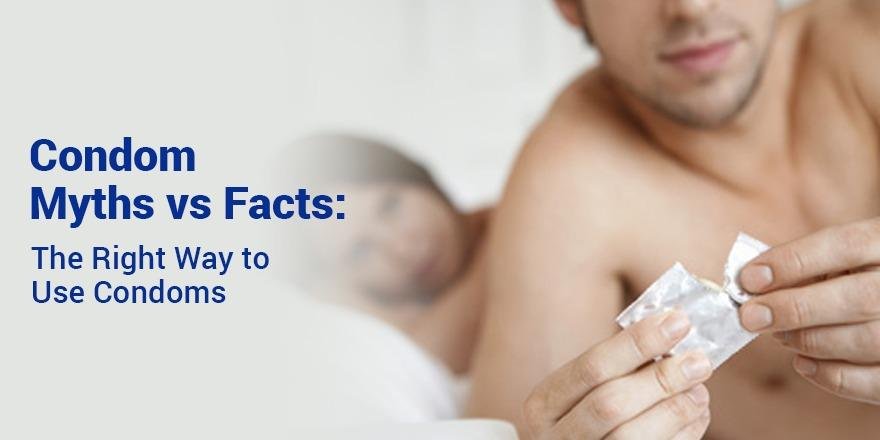
Step 2: Open the Pack Carefully
Avoid using scissors, teeth, or sharp objects. Tear the edge gently.
Step 3: Pinch the Tip
Before rolling it on, pinch the tip of the condom to leave space for semen. Also, this will prevent air bubbles that can cause breakage.
Step 4: Roll It On Correctly
Place the condom on the erect penis and roll it all the way down to the base.
Step 5: Use the Right Lubrication
Use silicone-based lubricants only. However, oil-based products such as petroleum jelly or lotion can weaken latex condoms.
Step 6: Hold While Withdrawing
Hold the base of the condom after ejaculation while pulling out to avoid slipping.
Step 7: Dispose Properly
Tie the used condom, wrap it in tissue, and throw it in the trash. Do not flush it.
Benefits of Using Condoms
- Protects against HIV and STIs
- Affordable and easily available
- Prevents unplanned pregnancy
- No hormonal side effects
- Suitable for regular and occasional use
Condoms empower you to take control of your sexual and reproductive health.
Are condoms 100% effective?
No, the method is not 100% effective. Although with typical use, condoms are 98% effective.
Can condoms fail?
Failure usually occurs due to incorrect use, storage issues, or using the wrong lubricant, not due to the condoms themselves being unreliable.
Final Thoughts: Protection Is Confidence
Believing myths about condoms will lead to risky decisions. It is crucial to learn the right way to use condoms, which will ensure better protection and healthier relationships. Sexual health is not just about intimacy; it’s about taking responsibility for sexual health. Furthermore, if you have concerns about sexual health and about your fertility health, then take the first step towards a healthier future today
Book a consultation with a fertility specialist today at Seeds of Innocens IVF and take a first step towards your parenthood journey at 9810350512.
Also Read: Painful Sex and Infertility: When to See a Doctor