






BEGIN YOUR
FERTILITY JOURNEY
TODAY.
Outstanding Success Rates
20,000+ SUCCESS STORIES AND THE JOURNEY CONTINUES.
20,000+
Healthy Babies,
Countless Smiles
Countless Smiles
35+
IVF Centres Spreading
Parenthood Joy
Parenthood Joy
78%
Success Rate Bringing
Hope to Families
Hope to Families
30+
Dedicated Fertility
Specialists
Specialists


WHY CHOOSE US?
- Seeds of Innocens IVF has always been the encouraged choice
- Founded in 2015 by the second generation of the promoter family, Dr. Gauri Agarwal and Dr. Rajat Arora
- Seeds of Innocens is India's best IVF centre
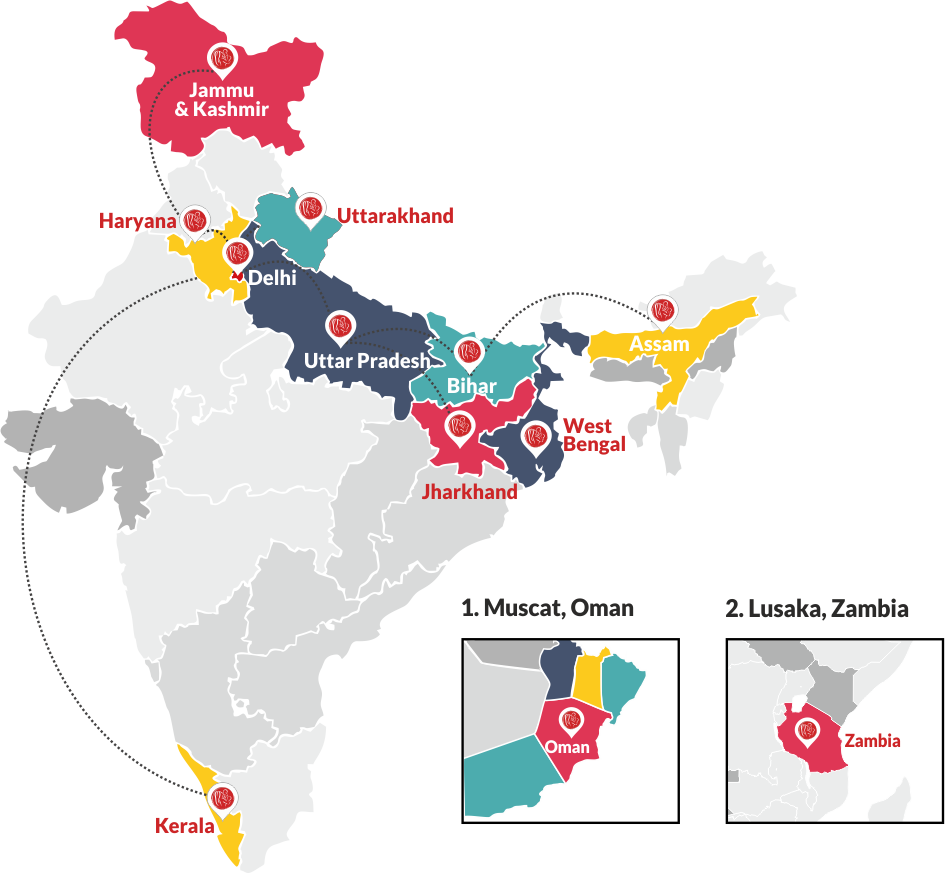
- Grown to over 35 centres across 8 states
- Expanded overseas to Oman, Muscat, and Zambia
- Only lab in North India that has collaborated with the Department of Reproductive Sciences, University of Gent, Belgium, for the exchange of best practices and technology in infertility
VISION AND MISSION™
At Seeds of Innocens IVF, we believe in fulfilling the dreams of couples who are facing difficulty in conceiving. We believe in a future where advancements in medicine are delivered with a human touch, an end to infertility becoming less of an end and more of a beginning. Our vision is to bring happiness to everyone
BOOK AN APPOINTMENT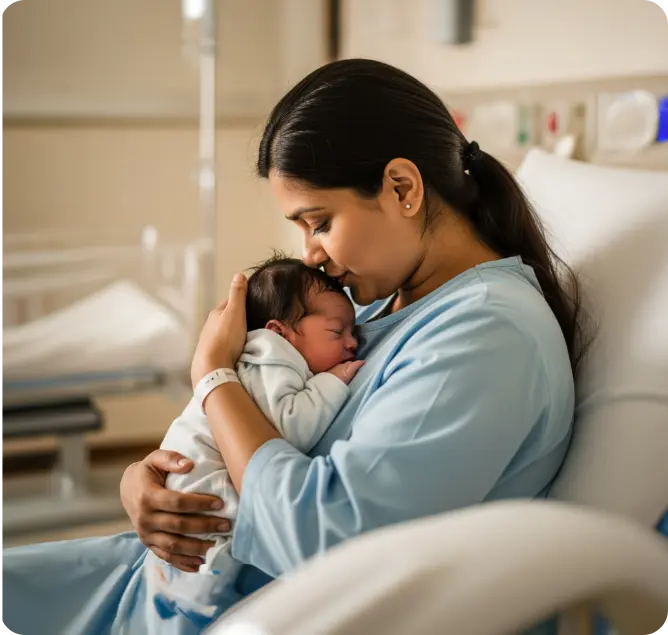
WHY CHOOSE US?
- Seeds of Innocens IVF has always been the encouraged choice
- Founded in 2015 by the second generation of the promoter family, Dr. Gauri Agarwal and Dr. Rajat Arora
- Seeds of Innocens is India's best IVF centre
- Grown to over 35 centres across 8 states
- Expanded overseas to Oman, Muscat, and Zambia
- Only lab in North India that has collaborated with the Department of Reproductive Sciences, University of Gent, Belgium, for the exchange of best practices and technology in infertility
VISION AND MISSION™
At Seeds of Innocens IVF, we believe in fulfilling the dreams of couples who are facing difficulty in conceiving. We believe in a future where advancements in medicine are delivered with a human touch, an end to infertility becoming less of an end and more of a beginning. Our vision is to bring happiness to everyone
BOOK AN APPOINTMENTOUR SERVICES

IUI, IVF & ICSI

Genetic testing (PGT-A & PGT-M)

Blastocyst Transfer

Cryopreservation (Egg, Sperm & Embryos)

PRP & Ovarian Rejuvenation
In-Vitro Fertilization (IVF) Overview
In-Vitro Fertilization (IVF) is a method that helps couples with fertility related problems and in conceiving a child. During the IVF treatment, the mature eggs are retrieved from the ovaries of women and sperms from the partner which are further fertilized in the laboratory to make embryos. After a few days, these embryos are transferred into the uterus of the woman.
Learn MoreIUI, IVF & ICSI
Genetic testing (PGT-A & PGT-M)
Blastocyst Transfer
In-Vitro Fertilization (IVF) Overview
In-Vitro Fertilization (IVF) is a method that helps couples with fertility related problems and in conceiving a child. During the IVF treatment, the mature eggs are retrieved from the ovaries of women and sperms from the partner which are further fertilized in the laboratory to make embryos. After a few days, these embryos are transferred into the uterus of the woman.
Learn MoreLATEST BLOGS
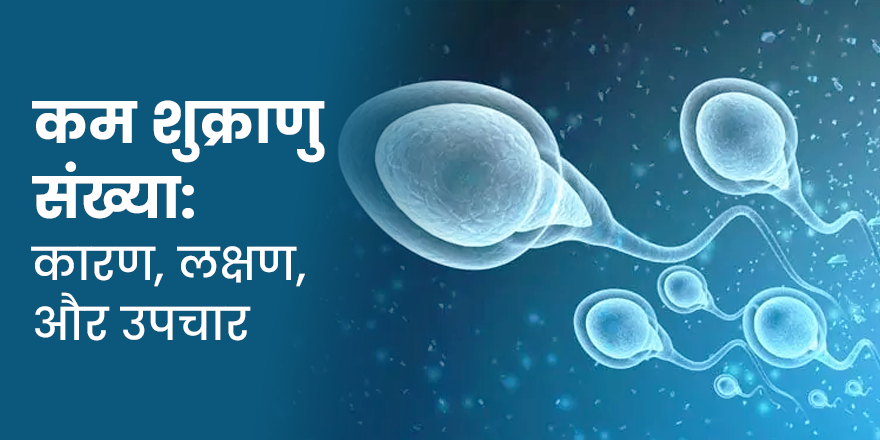
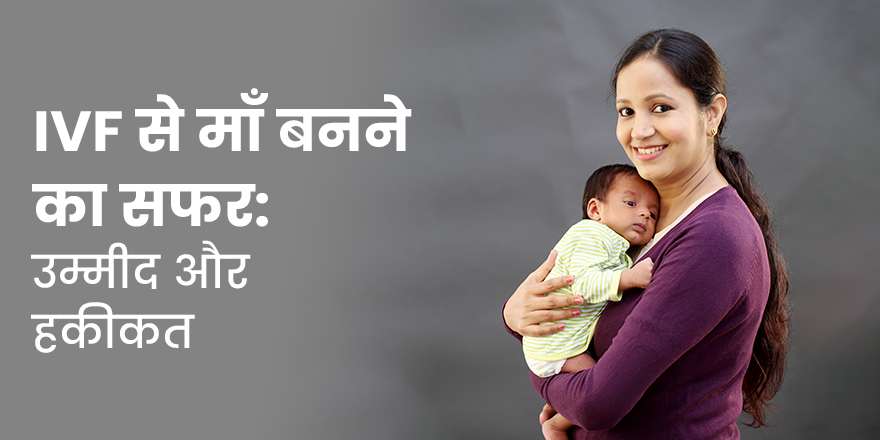


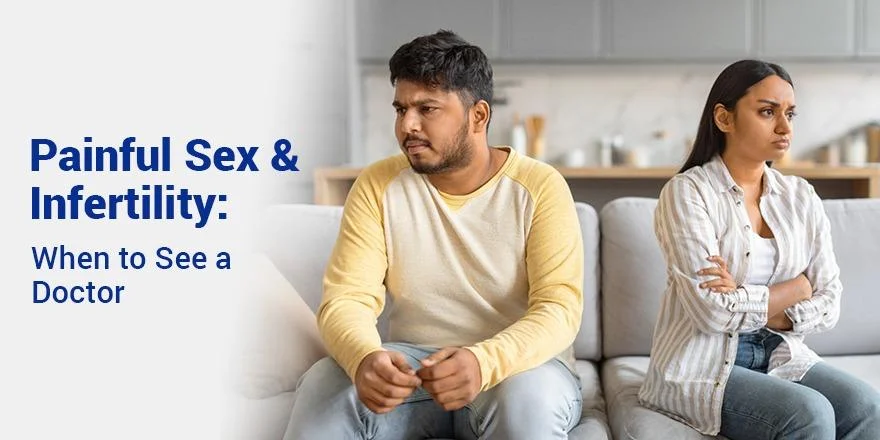
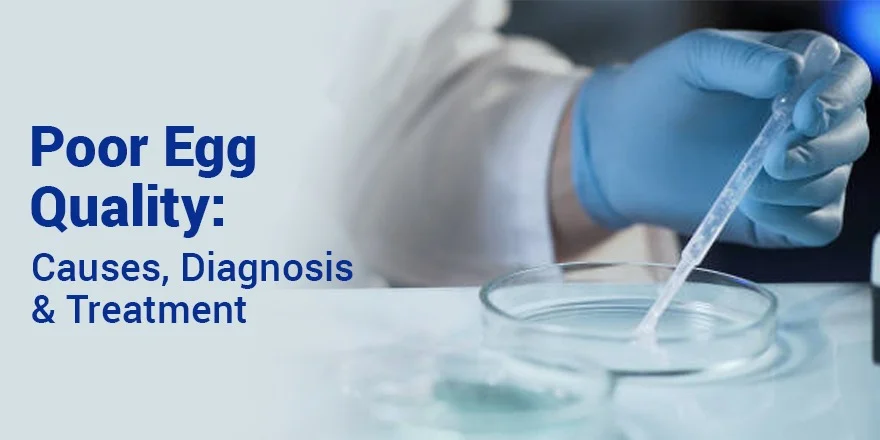
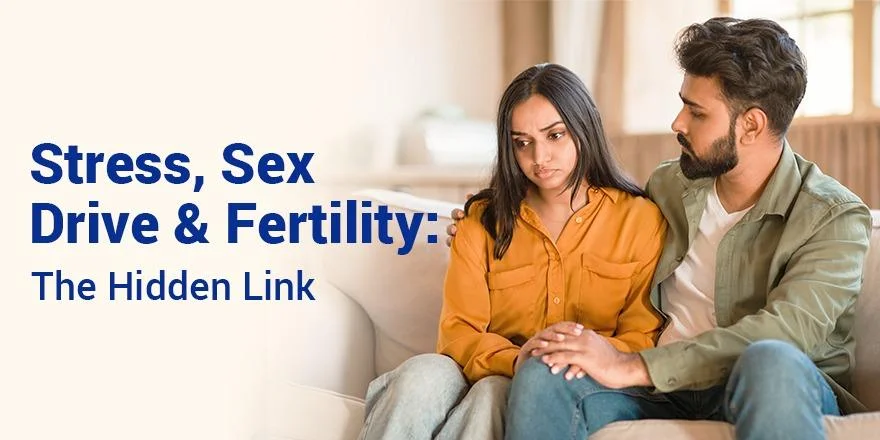
GET EXPERT KNOWLEDGE ON FERTILITY TESTS AND TREATMENTS
watch these informative videos from our fertility specialists.
HAPPY FAMILIES ABOUT US
Thank you for trusting us with your journey.
Please leave us a 5-star review to help others on their path to parenthood.
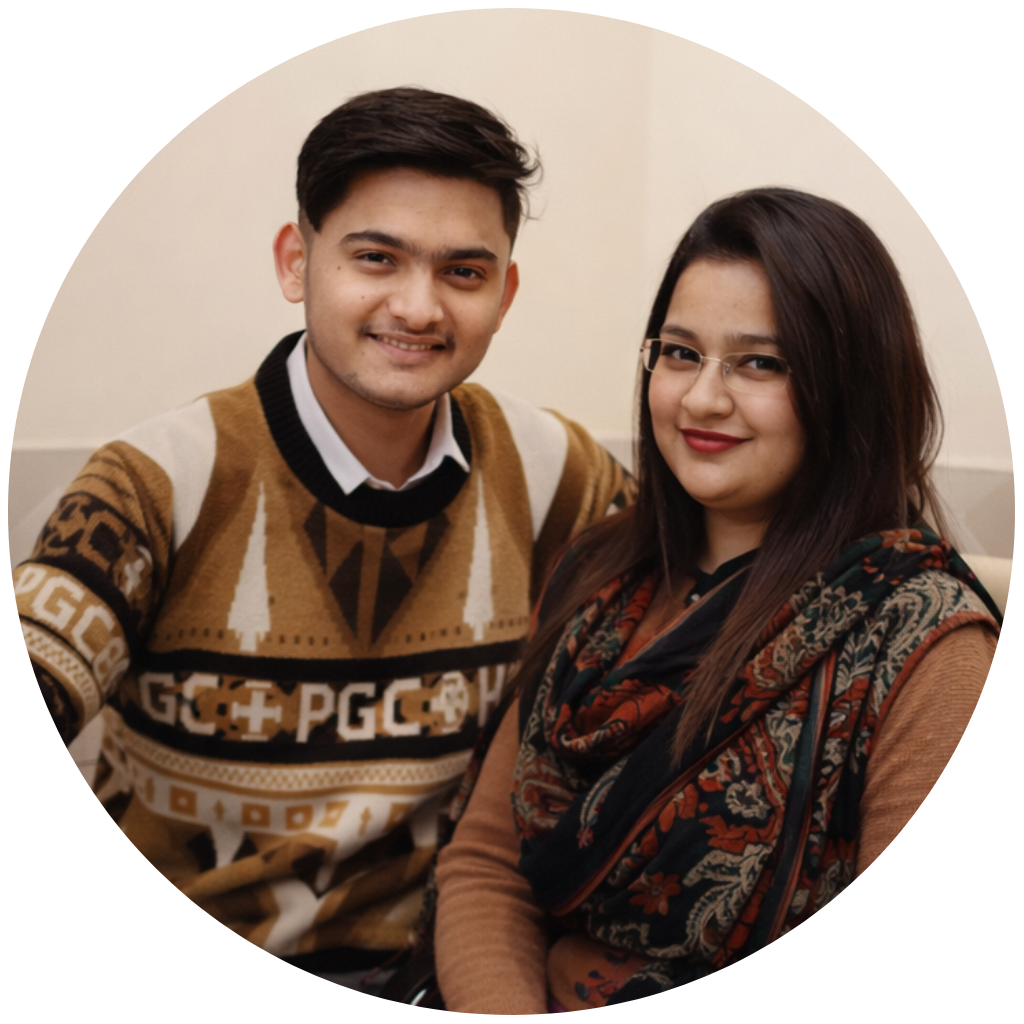
Couple from Sydney, Australia
Seeds of Innocens gave us the gift of parenthood. The doctors were compassionate, the staff was supportive, and the treatment was excellent. We are forever grateful for our beautiful baby.

Parents from Jharkhand, India
The entire team at Seeds of Innocens made our IVF journey smooth and stress-free. Their expertise and care helped us achieve our dream of becoming parents. Highly recommended!
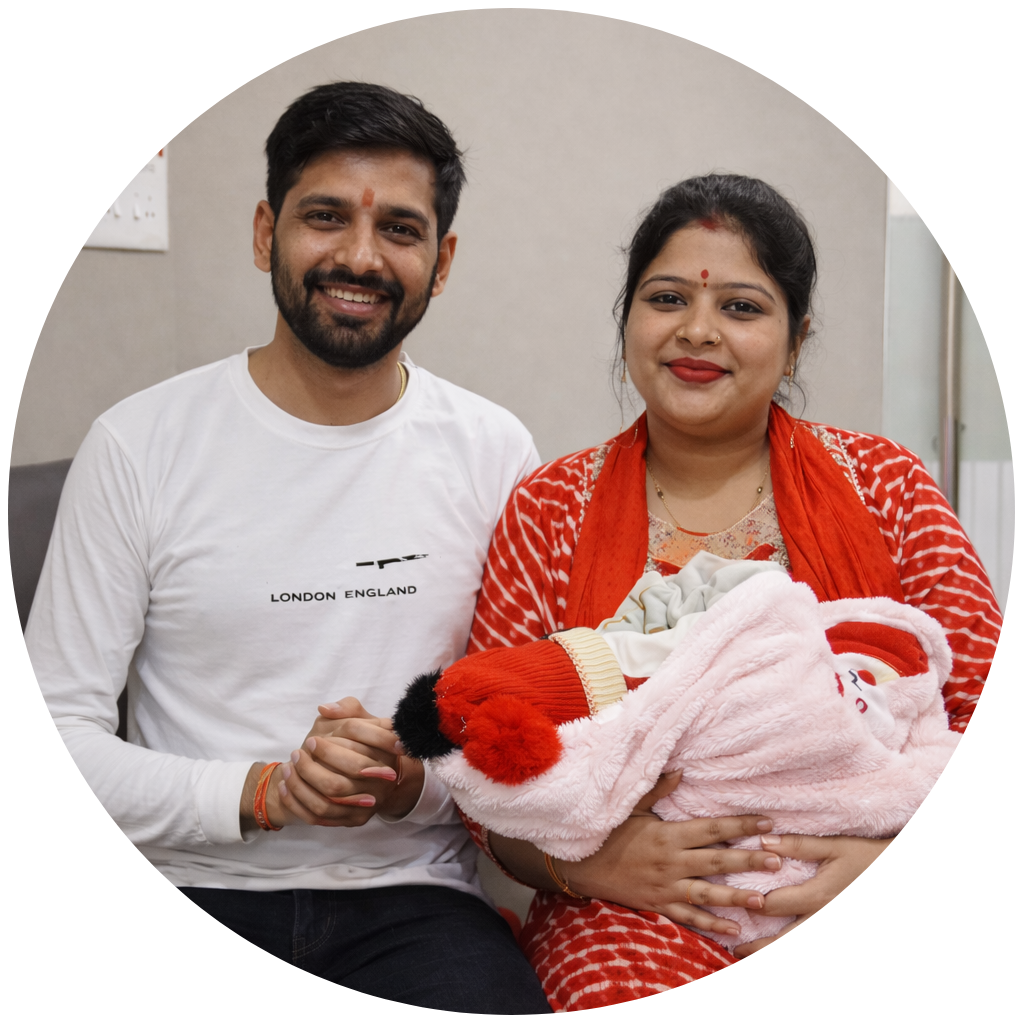
Family from New Delhi, India
After years of trying, we found hope at Seeds of Innocens. The personalized care and advanced treatment options made all the difference. Thank you for making our family complete.
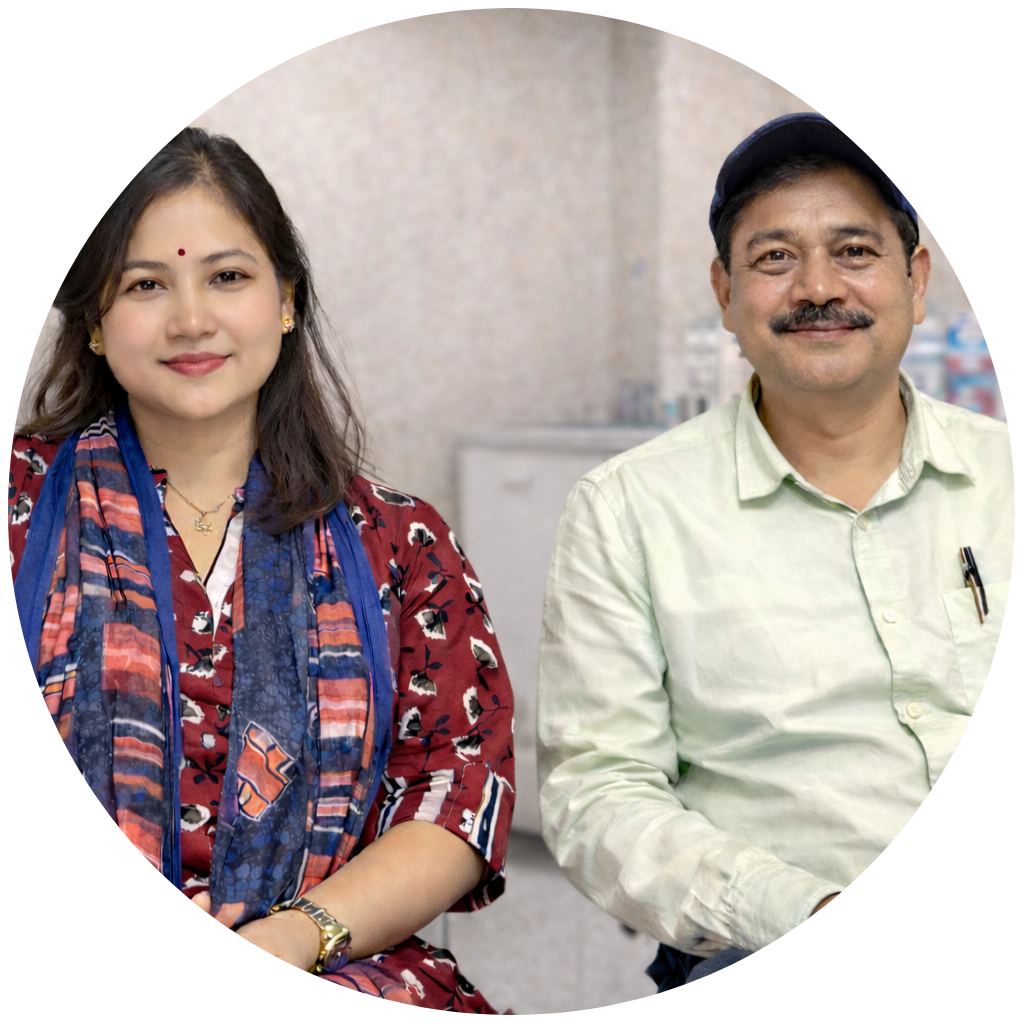
Couple from Sydney, Australia
Seeds of Innocens gave us the gift of parenthood. The doctors were compassionate, the staff was supportive, and the treatment was excellent. We are forever grateful for our beautiful baby.
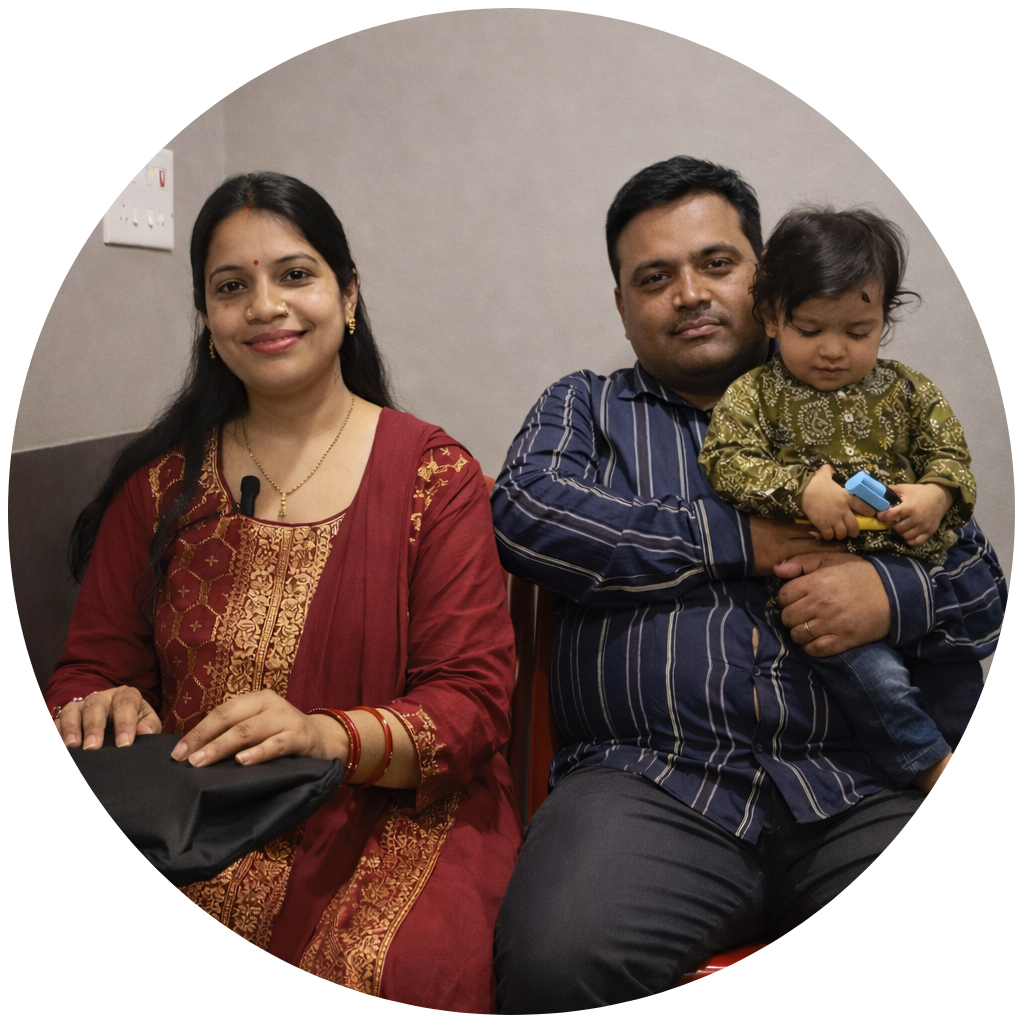
Parents from Jharkhand, India
The entire team at Seeds of Innocens made our IVF journey smooth and stress-free. Their expertise and care helped us achieve our dream of becoming parents. Highly recommended!
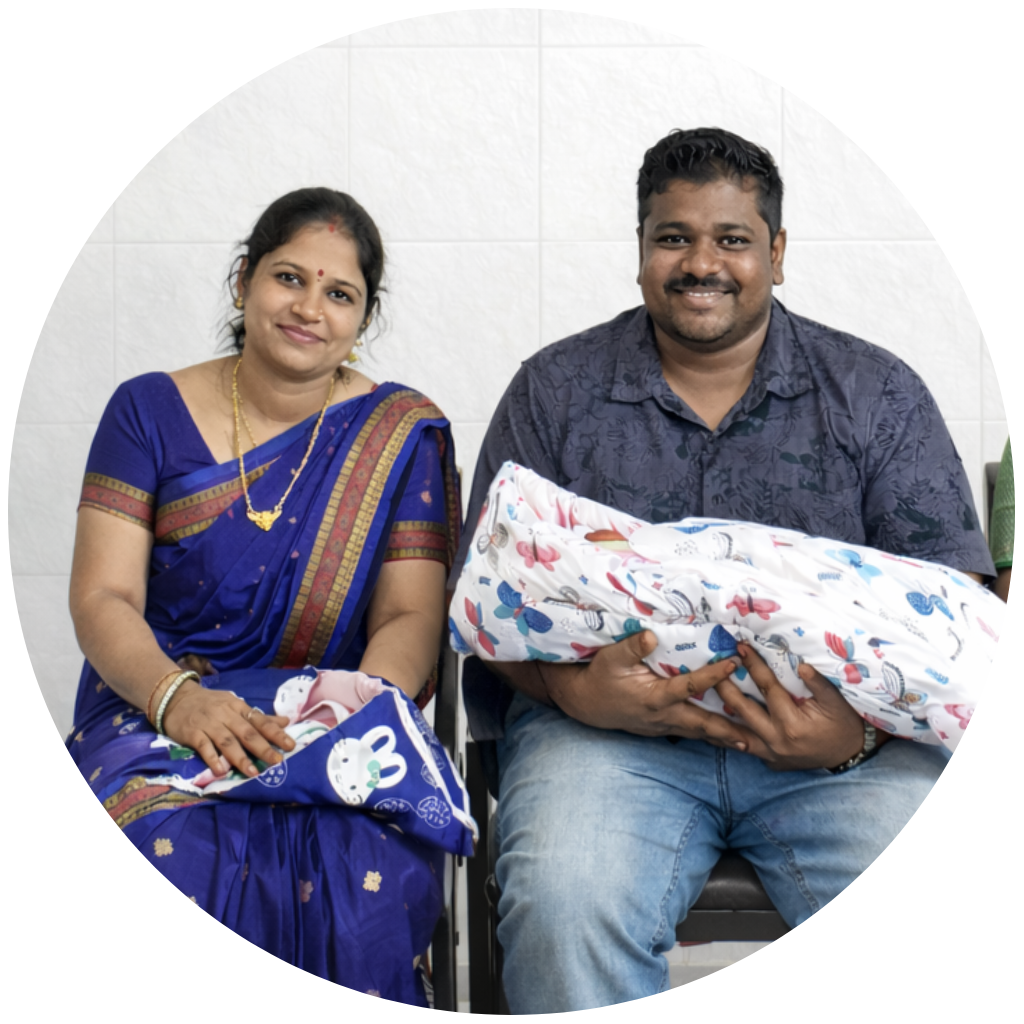
Family from New Delhi, India
After years of trying, we found hope at Seeds of Innocens. The personalized care and advanced treatment options made all the difference. Thank you for making our family complete.
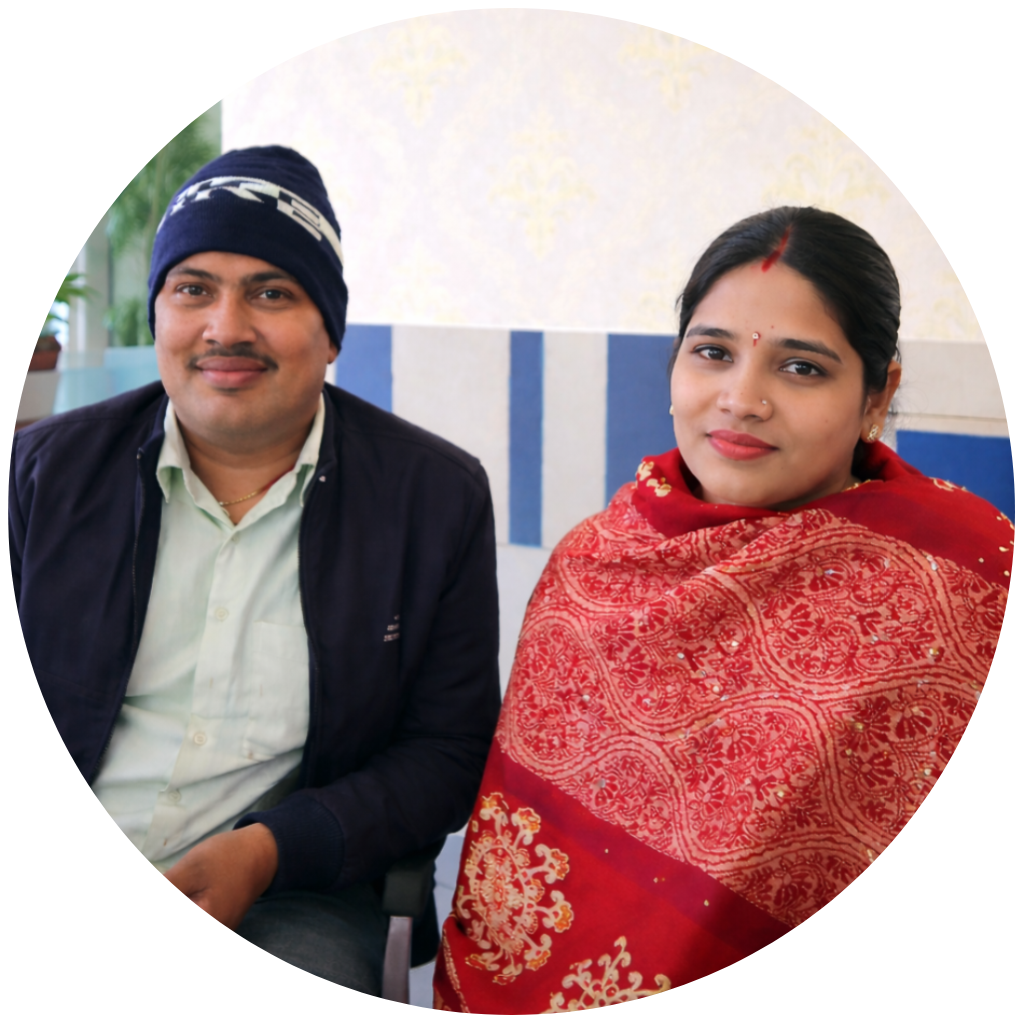
Family from New Delhi, India
After years of trying, we found hope at Seeds of Innocens. The personalized care and advanced treatment options made all the difference. Thank you for making our family complete.
Couple from Sydney, Australia
Seeds of Innocens gave us the gift of parenthood. The doctors were compassionate, the staff was supportive, and the treatment was excellent. We are forever grateful for our beautiful baby.
Parents from Jharkhand, India
The entire team at Seeds of Innocens made our IVF journey smooth and stress-free. Their expertise and care helped us achieve our dream of becoming parents. Highly recommended!
Family from New Delhi, India
After years of trying, we found hope at Seeds of Innocens. The personalized care and advanced treatment options made all the difference. Thank you for making our family complete.
Couple from Sydney, Australia
Seeds of Innocens gave us the gift of parenthood. The doctors were compassionate, the staff was supportive, and the treatment was excellent. We are forever grateful for our beautiful baby.
Parents from Jharkhand, India
The entire team at Seeds of Innocens made our IVF journey smooth and stress-free. Their expertise and care helped us achieve our dream of becoming parents. Highly recommended!
Family from New Delhi, India
After years of trying, we found hope at Seeds of Innocens. The personalized care and advanced treatment options made all the difference. Thank you for making our family complete.
Family from New Delhi, India
After years of trying, we found hope at Seeds of Innocens. The personalized care and advanced treatment options made all the difference. Thank you for making our family complete.
Across Multiple Locations
India
HAVE ANY QUESTIONS? OUR EXPERTS ARE HAPPY TO GUIDE YOU.
Female Frequently Asked Questions
Details on ovarian function, egg retrieval, reproductive health, and treatment planning.
Explore NowMale Frequently Asked Questions
Insights into male reproductive health, semen analysis, diagnostic tests, and care.
Explore NowGenetic Frequently Asked Questions
Information on genetic screening, inherited conditions, embryo testing, and risk assessment.
Explore NowLearning Frequently Asked Questions
Structured learning on reproductive health and assisted fertility.
Explore Now