




Blocked Seminiferous Tubulese
 21000+
Smiles
 35+
35+Parenthood Joy
 78%
78%Hope to Families
 30+
30+Specialists
Blocked Seminiferous Tubules
Blocked Seminiferous Tubules, also known as Vas deferens, produces, maintains, and stores the sperms. They are long and muscular in structure and travel from the epididymis into the pelvic cavity. These tubules consist of columnar Sertoli cells surrounded by spermatogenic cells.
Located within the testes, these Sertoli cells act as the nutrient bank for the immature sperm cells. They support and nourish the sperm cells until they are mature and prepared for ejaculation.
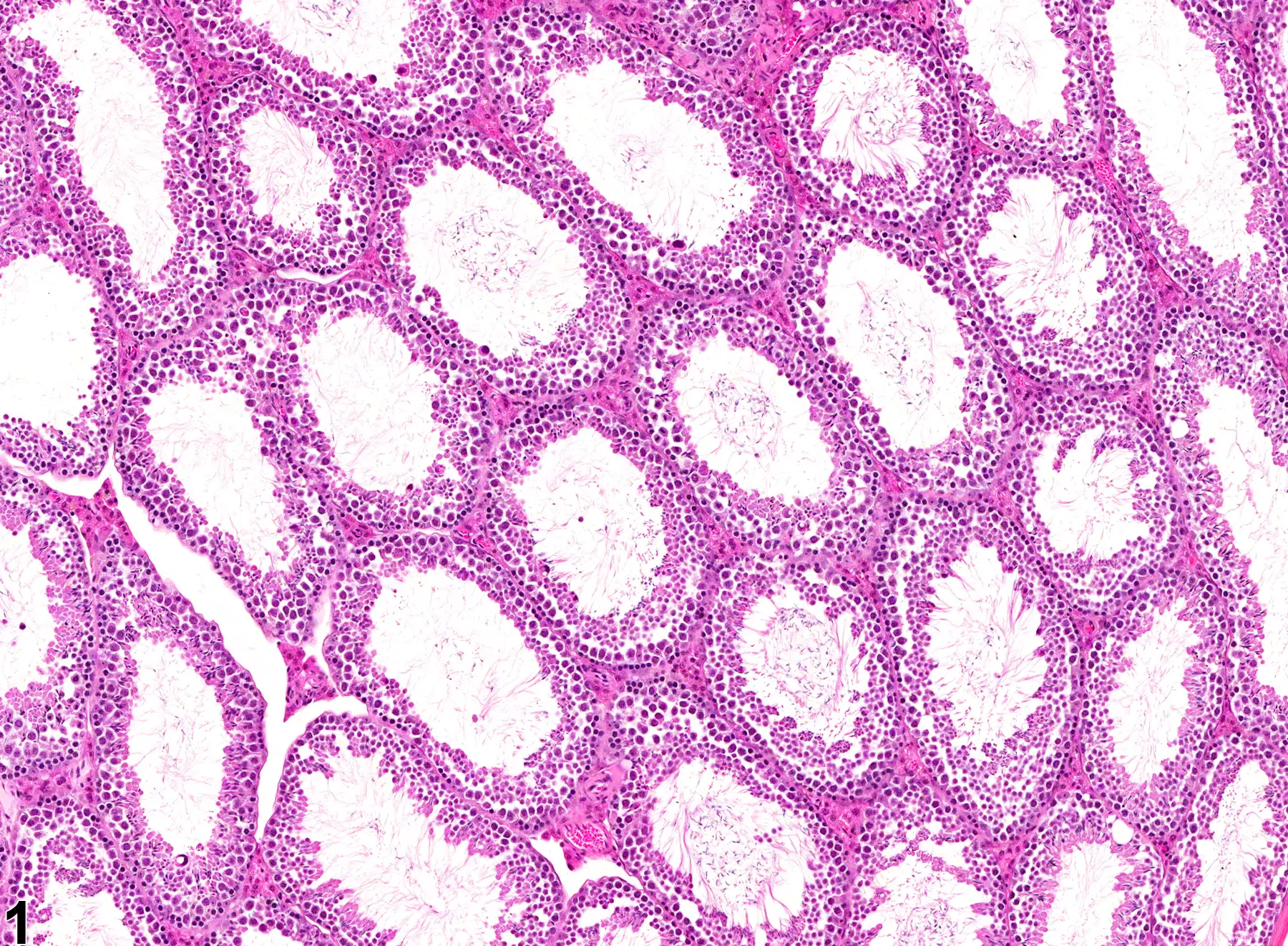
Types of Blocked Seminiferous Tubules
Blocked seminiferous tubules (or vas deferens) refer to obstruction in the tubes that produce, maintain, and transport sperm from the epididymis. Blockage can be partial or complete and may affect one or both sides.
Causes of Blocked Seminiferous Tubules
Reasons for blocked seminiferous tubules include:
Symptoms of Blocked Seminiferous Tubules
Often no obvious symptoms. Men may present with infertility or low semen volume; azoospermia may be found on semen analysis.
Diagnosis of Blocked Seminiferous Tubules
Semen analysis is a key tool. Further tests help confirm blockage and rule out other causes.
With the right diagnosis, treatment can often correct or work around the problem. Options may include surgery to repair obstruction or sperm retrieval with IVF/ICSI.
Yes. Blocked seminiferous tubules do not mean infertility is untreatable. Sperm can often be retrieved and used with ICSI, or obstruction may be corrected. Our team will outline the best option for your situation.
See a fertility specialist or urologist if you have been trying to conceive without success or if semen analysis shows very low or no sperm. Semen analysis and evaluation can distinguish blockage from other causes.