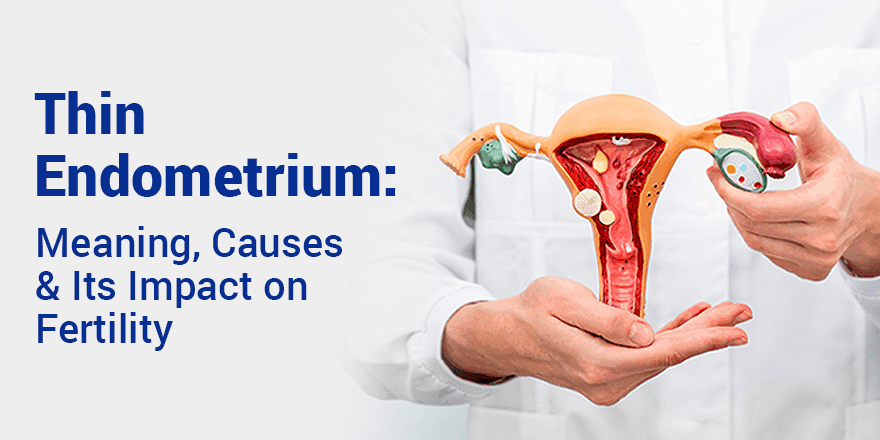
Thin Endometrium: Meaning, Causes, and Its Impact on Fertility
Thin Endometrium: Meaning, Causes, and Its Impact on Fertility’” is a condition in which the endometrium, which refers to the inner lining of the uterus, is thinner than it should be in order to support a pregnancy. Usually, the endometrium thickens every month in preparation for the implantation of the embryo; however, in cases where the endometrium is thinner, it may be hard for the embryo to implant, thereby affecting the woman’s ability to bear a child. This title tells the reader what the endometrium refers to, the possible causes of the endometrium, and the impact it has on a woman’s ability to bear a child.
What is Thin Endometrium?
In order to understand endometrium, it is important that we understand what is thin endometrium. Endometrium is defined as the inner part of the uterus that thickens every month in preparation for pregnancy. A thick endometrium is therefore important for embryo implantation.
When we talk about endometrium normal, we are referring to a thick endometrium that is ready for embryo implantation. In the event that this endometrium is thin, fertility problems may arise.
Thin Endometrium Meaning
The thin endometrium meaning is a condition where the endometrial lining does not achieve the ideal thickness that is necessary for conception. Usually, the normal size of endometrium in mm for implantation is around 7-14 mm during the ovulation phase.
In a condition where the thickness is below this range, it is defined as endometrium means that the uterus is not ready for pregnancy.
Is Thin Endometrium Dangerous?
One of the concerns is, is thin endometrium dangerous? endometrium is not dangerous in that it is not life-threatening, but it is very significant in terms of fertility and successful pregnancy.
endometrium may prevent embryo implantation, resulting in implantation failure and even miscarriage. Thus, endometrium is very significant when addressing fertility problems.
Causes of Thin Endometrium
There are various causes of thin endometrial linings. These include:
- Hormonal imbalances
- Inadequate blood circulation to the uterus
- History of previous surgeries and infections in the uterus
- Prolonged intake of certain drugs
- Stress and poor diet
Knowledge of the causes of thin endometrial linings is essential in selecting appropriate infertility treatment.
Intact Endometrium Meaning and Its Importance
The term intact endometrium meaning is something you might have come across. It is defined as a healthy and structurally normal endometrial lining. A healthy and well-developed endometrial lining is necessary for pregnancy and implantation.
A endometrium might not support embryo growth
Diagnosis: How is Thin Endometrium Identified?
Doctors use ultrasound to determine normal size of endometrium in mm and to check for implantation potential.
When endometrium thickness is below the expected endometrium normal range, further evaluation is required to determine the cause and provide appropriate infertility treatment.
Also Read: Fertile Window Secrets: What Most Couples Get Wrong About Timing
Treatment Options for Endometrium
The treatment for endometrial lining varies depending on the cause.
1. Hormonal Therapy
The patient is advised to take estrogen supplements to increase endometrial growth.
2. Improving Blood Flow
The patient is advised to improve blood flow by using certain medications and lifestyle changes.
3. Advanced Fertility Treatments
If these measures are not sufficient, advanced infertility treatment are considered at a trusted fertility Clinic Near Me.
When Should You Seek Medical Help?
If you are experiencing problems in conception or have been diagnosed with endometrium, it is always advisable to seek professional advice. Early diagnosis and treatment can greatly improve conception results and reduce fertility problems.
Managing Thin Endometrium for Better Fertility
Though a thin endometrium is a problem, it is solvable if the right medical approach is made. Knowing the endometrium meaning, the causes, and taking the right action will surely increase the chances for conception.
With the right guidance and medical treatment for infertility, conception is made possible despite the endometrium.
FAQ
Thin endometrium refers to a condition where the uterine lining is thinner than required for embryo implantation. Understanding what is endometrium helps in knowing its role in supporting pregnancy.
The normal size of endometrium in mm for successful implantation is usually between 7–14 mm during ovulation. This range is considered endometrium normal for pregnancy.
If you’re wondering is endometrium dangerous, it is not life-threatening but can lead to fertility problems by reducing the chances of embryo implantation.
Common thin endometrium causes include hormonal imbalance, poor blood flow, uterine infections, and certain medications. These factors can impact overall fertility problems.
endometrium treatment may include hormonal therapy, improving blood circulation, and advanced infertility treatment options at a trusted fertility Clinic Near Me.