Impact of Uterine Fibroids on Fertility: Understanding the Connection
Fertility is a journey of emotions, hope, and many unanswered questions. For several women, the presence of uterine fibroids becomes one of the most unexpected barriers that they did not see coming. Fibroids are common, and in most cases, they remain silent. Moreover, when they start to affect menstrual cycles and pelvic comfort, they become difficult to ignore. Whether you are planning to explore fertility treatment or even considering IVF treatment, Seeds of Innocens IVF is one of the best IVF centres in India, where you will get a solution to every problem. In this blog, we will explore and find more about the causes and impact of uterine fibroids on fertility.
What are Uterine Fibroids?
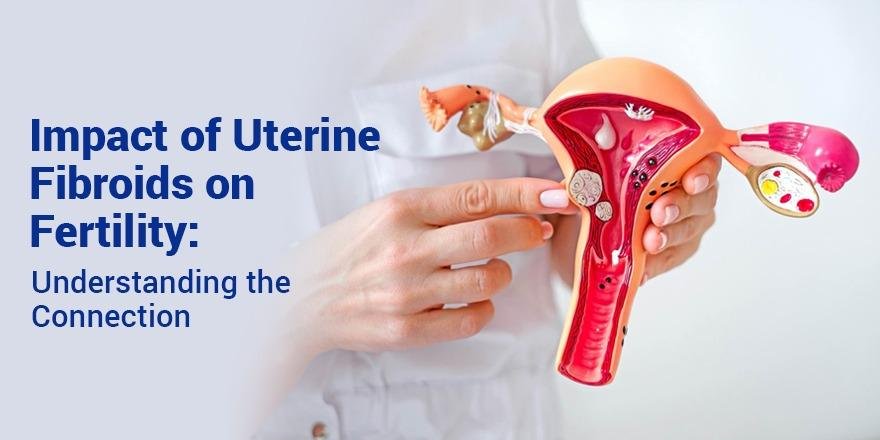
Uterine fibroids are non-cancerous growths that appear inside or on the uterus. Additionally, they vary in location and size, and these two factors significantly influence their impact on conception. Some fibroids might be as small as a seed, while others grow large enough. Many women do not even know that they have fibroid till the routine scan reveals them. Others might experience symptoms such as prolonged periods, heavy bleeding, or even pelvic pressure. The trickiest part is that the symptoms are not always obvious, which is why diagnosing fibroids correctly is crucial for women who want to avoid delays in their fertility journey. Dr. Pallavi Shrivastava, an IVF Specialist at Seeds of Innocens IVF, said that “Since fibroids can be challenging, but with the right diagnosis and timely intervention, they do not have to stand in the way of your dream of becoming a parent”.
How They Develop
Some of the key points about what fibroids are and how they develop. Every point will help you to understand the basics before moving into fertility-related concerns.
1. Non-Cancerous Growths
Fibroids are benign growths that form in or around the uterus. Also, they are not cancerous and usually do not turn into cancer, but their presence also develops functional issues.
2. Hormone-Driven Development
Fibroids grow under the influence of hormones. Progesterone and Estrogen will make them grow faster, which is why they will become more noticeable in the reproductive years.
Different Types and Locations
Fibroids can be submucosal or subserosal. Their position decides how they affect fertility. Also, fibroids might affect implantation.
Fibroids might remain small or grow significantly. However, large fibroids can press on the uterus and fallopian tubes, causing fertility difficulties.
Genetic and Lifestyle Factors
Obesity, family history, and hormonal imbalance might enhance the chances of developing fibroids. Moreover, many women with no risk factors still develop them. Understanding the nature of fibroids will help you to make sense of why doctors at a best fertility centre focus on location and size before suggesting treatment.
How Fibroids Affect Fertility
1. Interference With Implantation
Some fibroids develop inside the uterine cavity or even push the lining. However, this can interfere with the embryo’s ability to implant properly. During IVF treatment, these fibroids will reduce the chances of the embryo settling in.
2. Distortion of the Uterine Shape
When fibroids become large or even grow in clusters, they can change the structure of the uterus. Also, it will make it difficult for the sperm to travel to the egg to move naturally or for an embryo to implant.
3. Blockage of the Fallopian Tubes
Fibroids can affect the fallopian tubes, which can cause fertility delays by preventing the meeting of the sperm and eggs.
4. Impact on Blood Flow to the Uterus
Healthy blood flow to the uterine lining is essential for pregnancy. Some fibroids can affect the supply of blood to the lining, which can lower the risk of implantation.
5. Interference With Ovulation
Although less common, fibroids growing near the ovaries might affect egg release. Also, this will lead to irregular ovulation patterns.
When should you act quickly?
All fibroids are to be treated rapidly, but certain fibroids require special attention. However, if you experience heavy bleeding that interferes with your daily lifestyle, then it may mean that fibroids are growing or affecting the uterine lining. Severe pelvic pain or pressure is yet another sign that they are affecting your fertility health. If you are trying to conceive for several years and your scans are showing fibroids, then it is very crucial to act before the condition gets worse. However, planning an IVF treatment should act promptly, as fibroids can distort the cavity and reduce the chances of a successful embryo transfer.
Final Thought
Fibroids are often harmless and common, but when they begin to interfere with fertility, timely action becomes crucial. However, a clear understanding of how fibroids form, how they impact the uterus, and how they impact conception will be able to help you to make better decisions for your fertility health. However, many women are surprised to learn that the small fibroids might not require removal at all, while others might require removal before trying to conceive or beginning IVF treatment. What matters is the right diagnosis and evaluation, number and location of fibroids decide how they will affect your chances of pregnancy.
At Seeds of Innocens IVF, we walk with you through each step of this journey that offers science-backed solutions and unwavering hope for the future.
Start your journey of parenthood with Seeds of Innocens IVF, one of the best IVF centre, where every step towards parenthood is guided with compassion and care.
Book a fertility consultation to understand how uterine fibroids may be affecting your chances of pregnancy at 9810350512
Also Read: Hormonal Health and IVF